
11 beginner photography mistakes I made (so you don’t have to)

Fujifilm X-T50 | LM WR XF 16-55mm | 45.5mm | 1/180 sec | f/9 | ISO 1000
When I first picked up a camera, I had no idea how many little things I would get wrong. Honestly, we all start there. And that’s the beautiful part: every mistake is just a step in learning how to see differently.
Over the years, I ruined photos with dust spots, missed shots because I didn’t back up files, and thought editing wasn’t even a thing (true story!). But those experiences shaped how I shoot today.
I’m sharing these beginner mistakes not to scare you off, but to help you skip some of the frustration I went through. Think of this as me passing you a little shortcut so you can spend less time fixing errors and more time enjoying the magic of photography.
Skip ahead: beginner photography mistakes to avoid
1. Forgetting about dust spots
A fellow photographer once had me look through his lens when he was amped on a surf scene he was photographing. I was shocked to see heaps of dust spots all over his sensor when looking through the viewfinder. It made me realise that perhaps this isn’t something everyone thinks about. And dust spots will always ruin a good photo!
One of the most common beginner photography mistakes is forgetting to clean your gear. Early on, I never even knew about how to safely clean my gear. The result? Dust spots all over my photos, especially in skies and oceans where they stand out the most. Even with new gear, when using slow shutter techniques those pesky dust spots always pop up!
Now, I make gear hygiene part of my routine with a quick lens wipe with a microfibre cloth and a rocket blower on the sensor before every shoot. Staying on top of this before every shoot, means your gear will last longer and it saves potential heartbreak or additional edits.
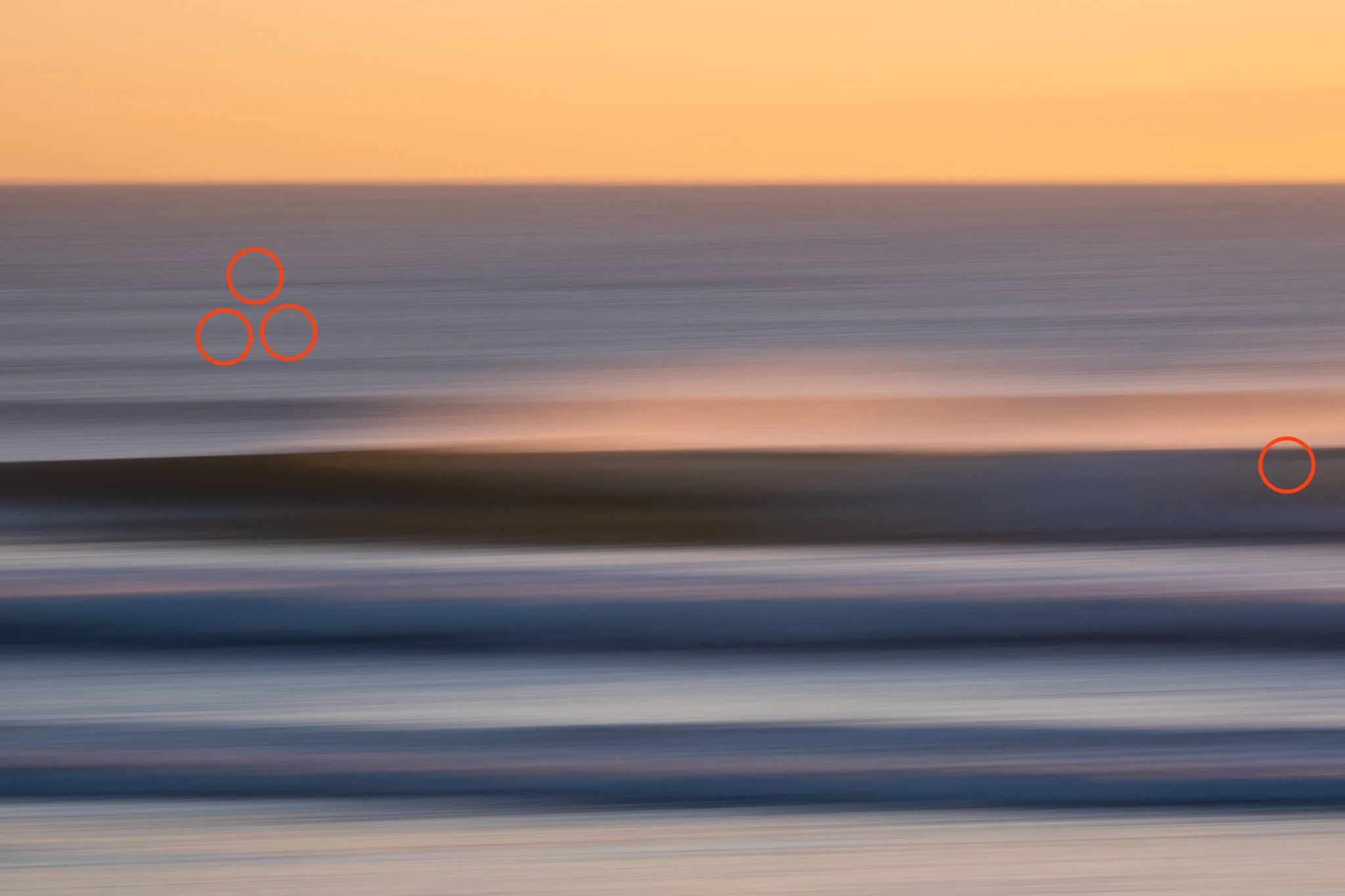
These dust spots look subtle but they need to be edited out if before printing large scale
2. Not backing up photos properly (and the time I almost lost it all)
I once lost an entire memory card of images from a trip because I had no backup system in place. It was devastating, or at least I thought it was. Thankfully, I later discovered a tool called DMDE that let me recover those files (I share more about it in my 8 free photography workflow tools every photographer should know about blog).
That experience taught me an important lesson: data loss can happen to anyone, and recovery is not always guaranteed. Now, I back up to two external drives and the cloud. It might feel like overkill, but having a system in place protects your memories and your work. This is one of the most important beginner photography tips to implement early.
3. Ignoring ISO (and the noise that comes with it)
In my beginner days, I barely understood ISO. I would crank it up in low light without realizing how much grain it added. This is one of those common photography errors that can ruin otherwise good shots.
Now, I treat ISO as carefully as shutter speed or aperture. Knowing how to balance it has made my images sharper and more intentional.
4. Overlooking composition basics
I used to snap without really thinking about leading lines, balance, or framing. Some shots worked, but most felt flat. Learning simple composition tricks like shooting low, paying attention to light, and using natural frames elevated my photos almost instantly.
If you’re looking for beginner photography advice that makes a quick impact, studying composition is one of the fastest ways to improve. The rule of thirds is my go-to composition technique and how I’ll always start framing a photo.
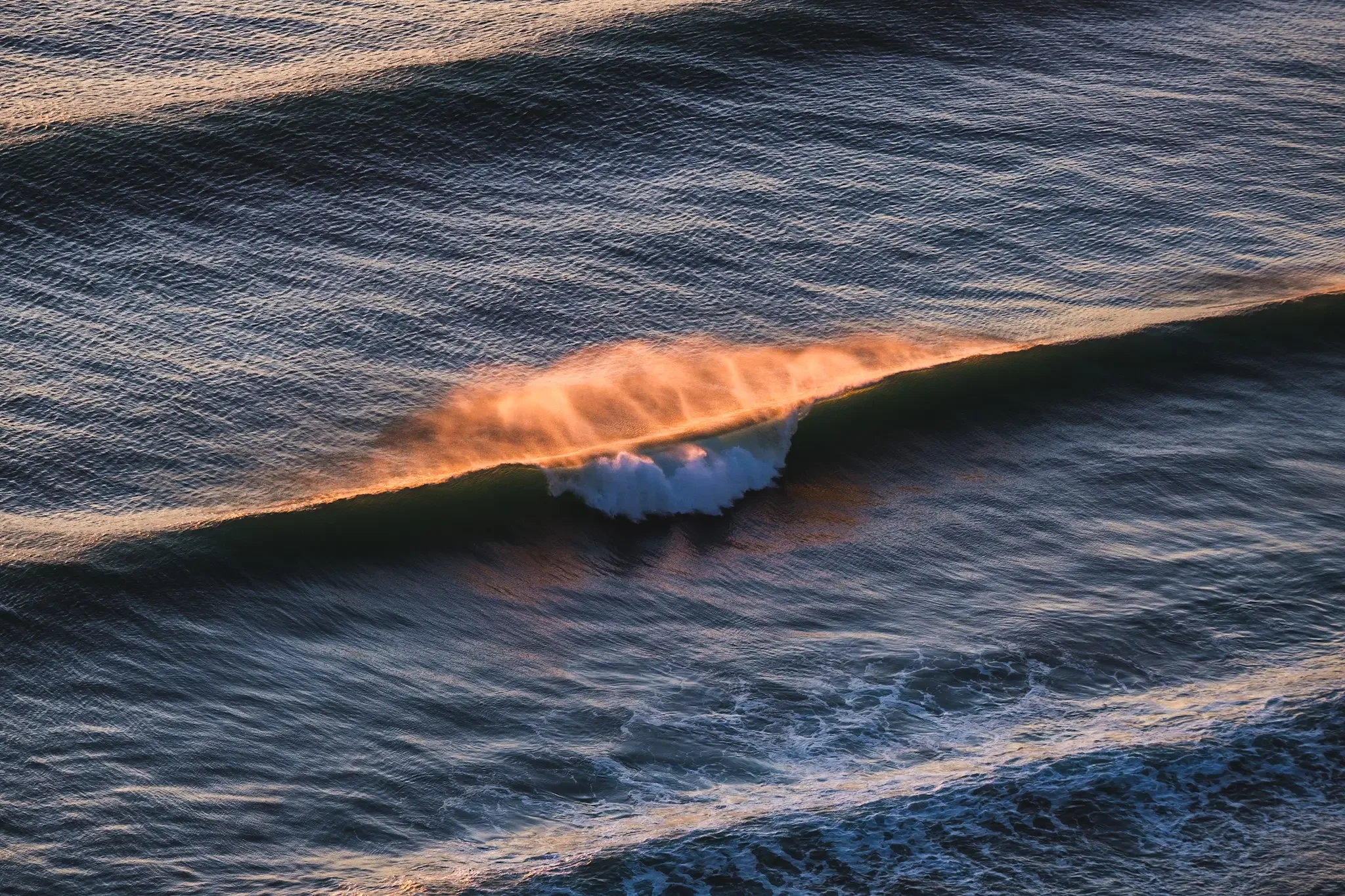
This composition gently adheres to the rule of thirds, with the focal point spreading across the middle third, with interesting texture and light/shadow in the top and bottom adding depth to a minimalist photo of a wave from above.
5. Not shooting in RAW (and discovering it too late)
For years, I shot only in JPEG. I didn’t even know RAW existed. It wasn’t until I met another photographer while traveling in Goa, India, that I learned about the RAW setting. That single hot tip changed everything for me.
Suddenly, all those so-so photos in my archive became usable again. RAW files gave me flexibility I’d never had before. I could adjust exposure, recover highlights, bring back detail in shadows, and experiment with different looks.
If you’re still shooting only in JPEG, don’t worry. I was there too. But switching to RAW early will future-proof your photography and give you room to grow into your own voice as an artist.
6. Thinking editing wasn’t necessary
For a long time, I thought photography ended when you pressed the shutter. I didn’t realize editing was part of the craft. I tried to nail everything in-camera, which helped me learn, but also meant I was missing opportunities to enhance my work.
Once I embraced editing as an extension of the creative process, everything changed. This is a beginner photography mistake many of us make in the early days. I’ve used a whole bunch of editing apps from Polarr to Dazzcam and Lightroom Mobile but my number one lesson learned is that the only photo editing software you should learn first is Lightroom Classic (I’ll share why in another blog soon!)
That’s also how I approach my Oceania Lightroom presets. I created them as starting points for editing ocean, surf, underwater and coastal photography, rather than one-click fixes, so you can still shape the final image around your own light, colour and style.
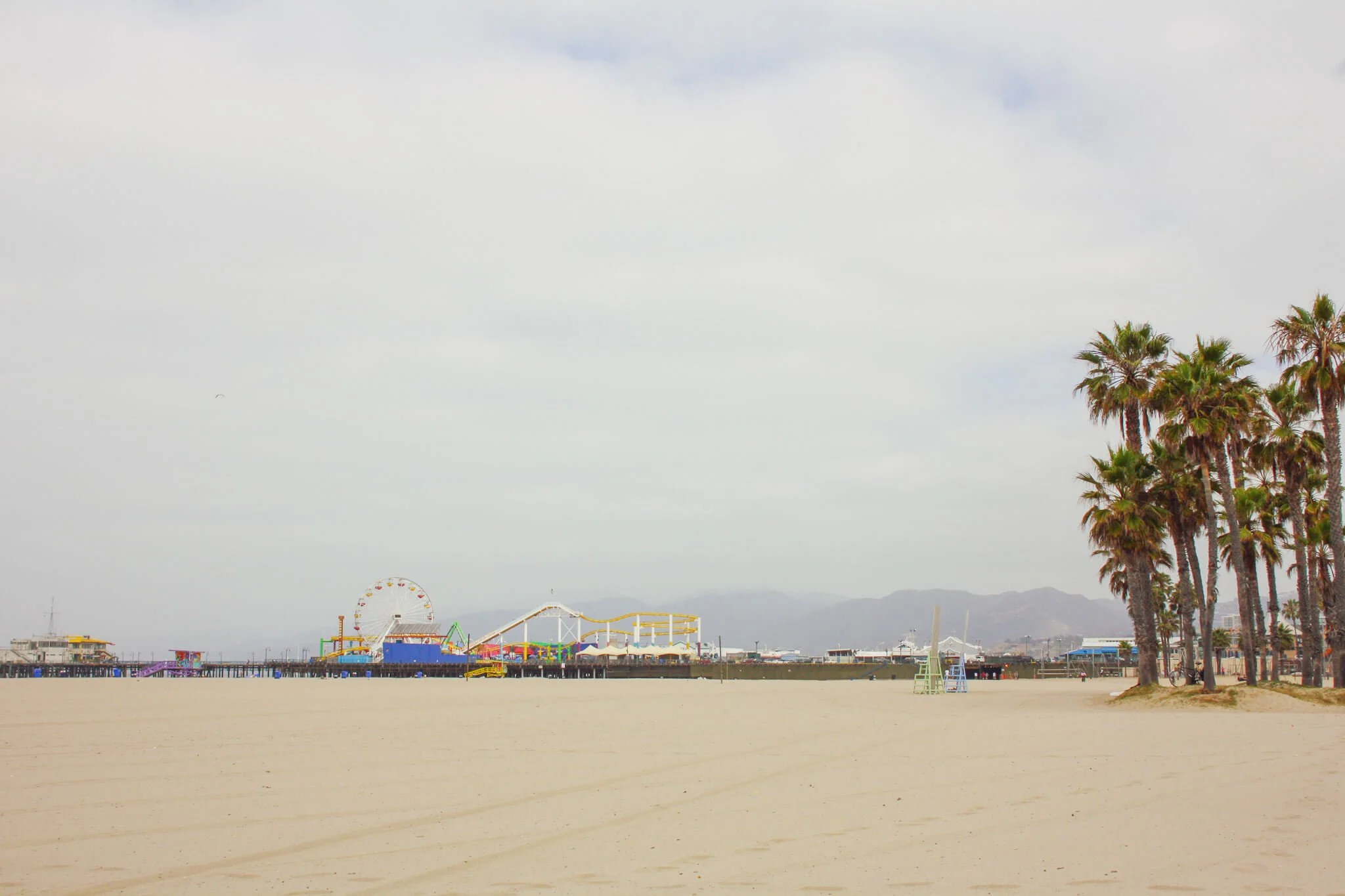
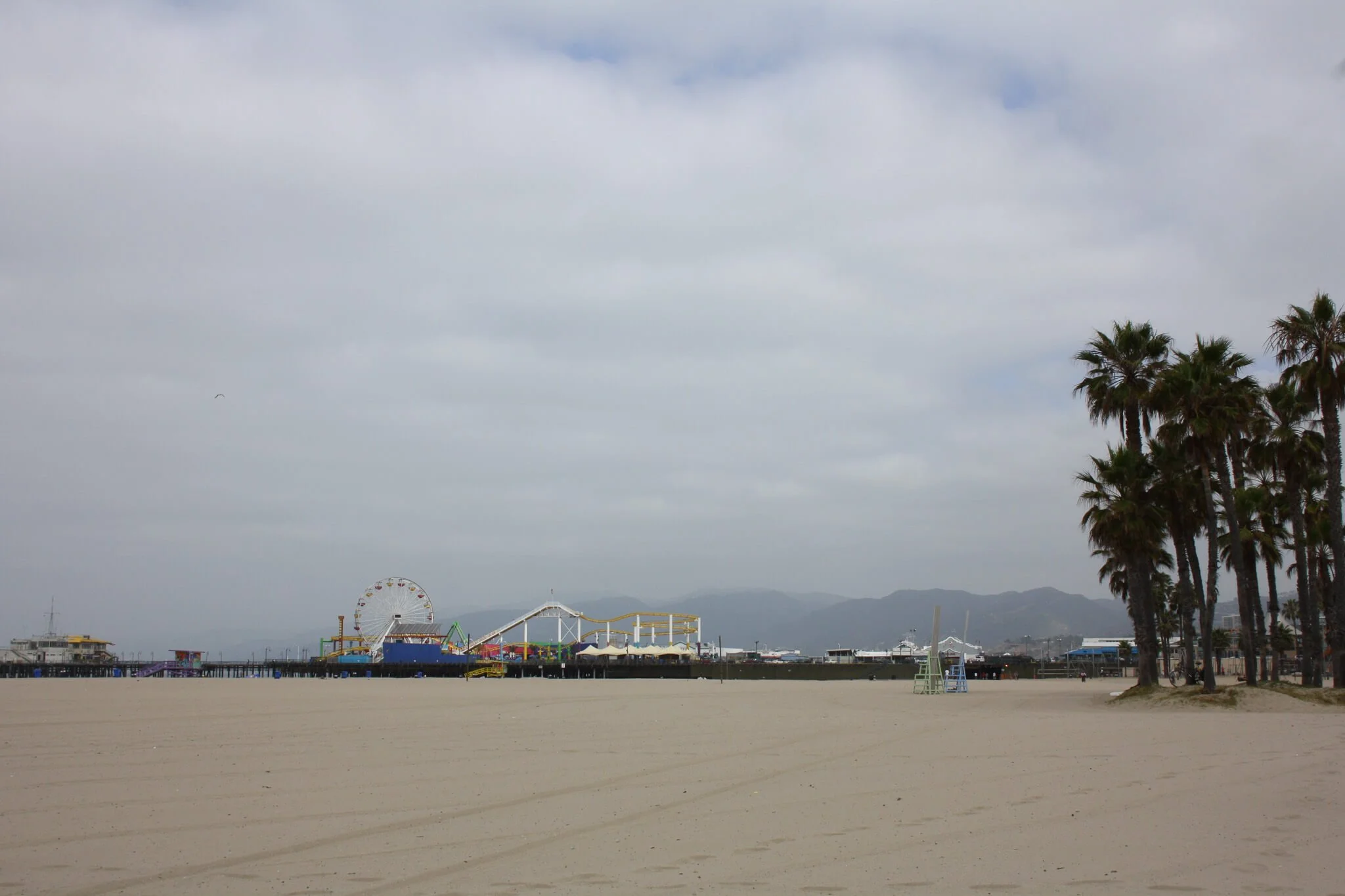
This photo below is one I took when I got my first DSLR camera, on a trip to Los Angeles, at the very beginning of my photography journey many years ago. It was only recently that I went back and edited it, and fell back in love with my archive! Unfortunately it’s not shot in RAW so I can’t recover enough detail to print at large scale, but it’s still a great way to practice edits and have a fresh perspective on old photos.
7. Over-editing (or in my case, under-editing)
Many beginners overdo contrast, saturation, or filters. My mistake was the opposite: I barely edited at all. Looking back, my photos lacked polish.
Editing isn’t about making something fake, it is about bringing out what you felt when you took the shot. Finding balance here takes practice, but it is worth it. Avoiding over-editing is one of the key photography tips for beginners.
That’s one reason I treat presets as a starting point rather than a finished edit. I’ll often begin with one of my Oceania presets when I’m editing ocean photography, then adjust it for the individual image and the light I experienced that day.
8. Neglecting to learn my gear
I used to shoot without really understanding my camera settings. Auto mode was my safety net. But once I took time to properly learn my gear, from custom buttons to manual focus, my confidence skyrocketed.
Your camera is your instrument, and knowing how to play it matters. Skipping this step is one of those beginner photography errors that holds you back longer than you realize.
9. Forgetting to print my work
In the digital age, it is easy to let photos sit on hard drives or social media feeds. I rarely printed my images in the beginning, and I regret it. Holding a print in your hands changes the way you connect to your art.
Now I make a habit of printing my faves, even if just for myself. One of the best beginner photography tips is to print your work. It builds confidence and helps you see your images in a new way.

Printing my work gives me a new appreciation for these moments frozen in time. A Moment with Mauao is available as a limited edition fine art print.
10. Chasing trends instead of my own craft
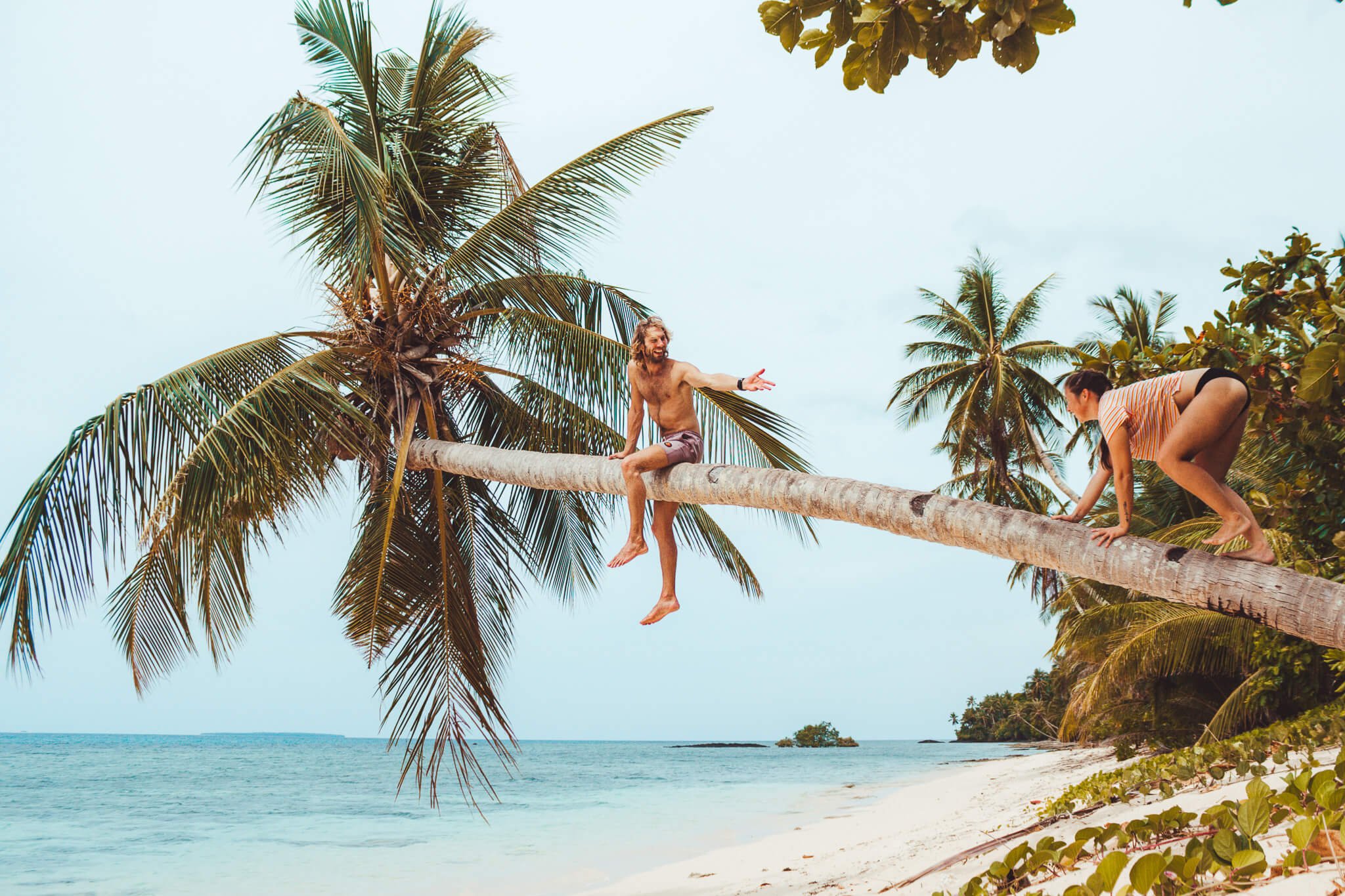
When I was traveling, I had all the patience in the world to wait for the shot. But the truth is, I was often chasing postcard-perfect, influencer-style images instead of trusting my own eye.
I got caught up in fitting into a pre-determined style rather than exploring what lit me up as an artist like obsessing over couples travel photos or ruining a good photo by holding my hands in an Insta-worthy shape. The lesson? Trends come and go, but your unique vision is timeless. I think about how I approach photography now and, while I do love subjects in the frame sometimes, I would shoot these experiences in such different ways now that lean towards my love of the draft of framing up moments and unique landscapes, rather than chasing the idea of what it will look like on social media.
This is one of those beginner photography mistakes you’ll be glad to outgrow.



11. Rushing the process (and forgetting the art of noticing)
Sometimes, the most important thing is not pressing the shutter. It is slowing down and noticing. Early on, I often felt pressure to get the shot every time I went out.
But the truth is, some of my biggest breakthroughs came when I left my camera behind and simply observed. The art of photography is also the art of observation: watching how light shifts across the ocean, how people interact with the environment, how weather changes the mood of a scene.
Learning to practice patience and the art of noticing not only sharpens your eye but deepens your connection to your craft.
That’s a wrap
Photography is meant to be joyful, creative, and full of experimentation. Every single photographer you admire has made these same mistakes, and honestly, they are part of the process.
So if you have done any (or all) of these, do not be hard on yourself. The fact that you are here, learning, means you are already ahead of where you were yesterday.
My advice: keep shooting, keep noticing, keep experimenting. You will be amazed at how quickly things click into place when you practice with intention.
And if you want to dive deeper into surf and water photography, do not miss my 10 essential surf and water photography tips for beginners. It is the perfect companion to this post.
If you’re ready to take the next step, check out my guide on 10 Essential surf and water photography tips for beginners. It’s the perfect companion to this post, especially if you’re dreaming of swapping beginner mistakes for confident shots in the ocean.
Beginner Photography Mistakes FAQs
What are the most common beginner photography mistakes?
Some of the most common photography mistakes beginners make include forgetting to clean lenses, not backing up files, ignoring ISO settings, only shooting in JPEG, and rushing through shots without thinking about composition. Learning to spot these early is one of the best photography tips for beginners.
Should beginners shoot in RAW or JPEG?
JPEG is convenient for quick sharing, but RAW gives you far more flexibility when editing. If you want to grow faster, one of the best pieces of beginner photography advice is to switch to RAW early. It gives you more control over exposure, color, and detail, which makes learning editing much easier.
How can I avoid losing my photos as a beginner?
File loss is one of the most painful beginner photography mistakes. The best tip is to back up your photos in at least two places: an external hard drive and a cloud service. This way, even if one fails, your memories and creative work are safe.
How do I stop over-editing my photos?
A common beginner mistake is pushing edits too far—whether it’s over-saturation, too much contrast, or heavy filters. A simple beginner photography tip is to step away after editing and revisit your image later. If it still feels natural and true to the moment, you’ve likely found the right balance.
Why do my photos look grainy in low light?
Grain (or noise) often shows up when ISO is too high. Many beginner photographers don’t realize ISO is just as important as shutter speed and aperture. To avoid this, lower your ISO where possible, open your aperture wider, or use a tripod so you can shoot at a slower shutter speed.
Is it worth printing photos as a beginner photographer?
Yes. Printing your work is one of the most underrated photography tips for beginners. Seeing your images in print helps you notice details, understand composition better, and connect more deeply with your craft. Even small, affordable prints can build confidence and spark new creative ideas.