
Make a splash: Find your creative voice in surf and water photography
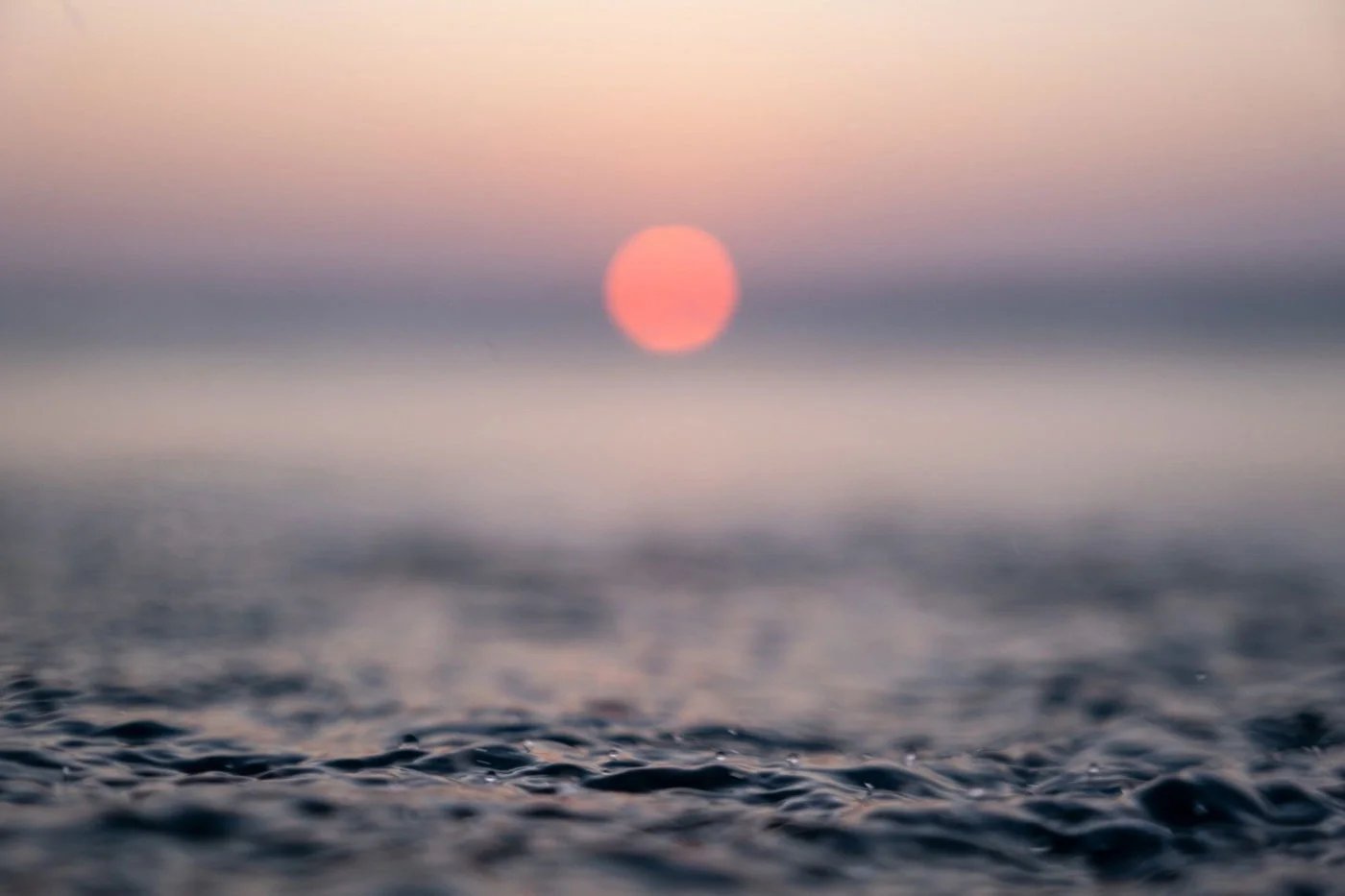
Fujifilm X-T3 | WR XF 16-55mm | 43mm | 1/500 sec | f/2.8 | ISO 320
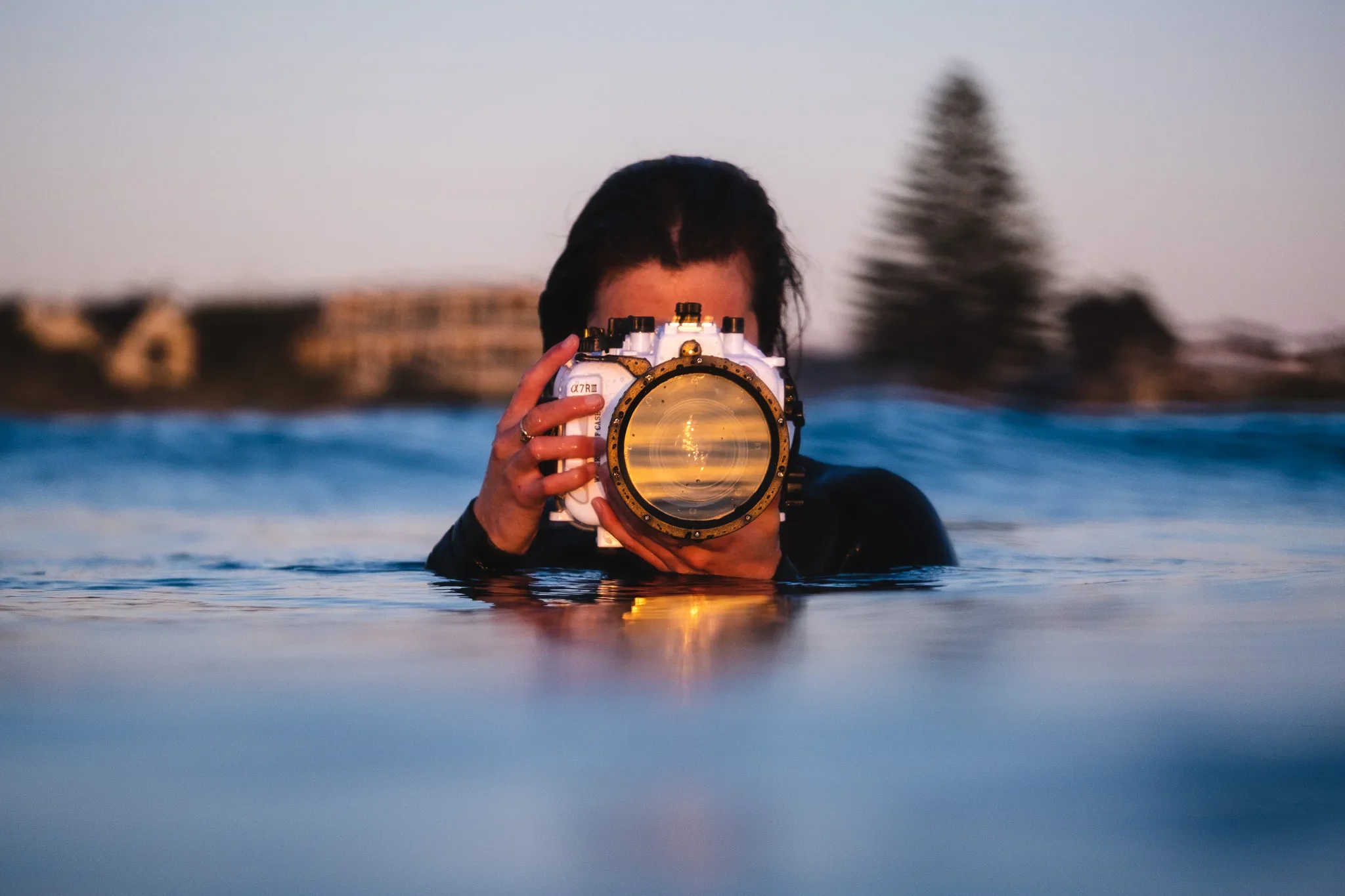
There’s something transformative about stepping into the ocean with a camera.
The rhythm of the waves, the shimmer of light across the surface, the mix of adrenaline and calm.
It’s not just about capturing photos, it’s about seeing the world differently.
When I first stepped into the water with a camera, I had no idea what I was doing. My first housing leaked, I fumbled through wipeouts, and I definitely wasn’t creating art… I was just surviving. But that messy beginning was crucial. It taught me that photography isn’t about having all the gear or knowing all the answers from day one. It’s about starting somewhere, following your curiosity, and letting experience shape your creative voice.
For me, surf and water photography is as much about curiosity and creativity as it is about technique. You don’t have to start with the perfect gear or even perfect conditions. What matters most is the mindset you bring, the openness to experiment, to follow your curiosity, and to let the ocean guide you.
In this guide, I’ll share how curiosity, confidence, and experimentation can help you discover your unique creative voice in the water.
In this guide
1. Why curiosity is the best place to start
2. Building confidence in the water
1. Why curiosity is the best place to start
When I first began surf photography, I didn’t have the fanciest gear or even much of a plan. What I did have was curiosity, the urge to capture the shimmer of dawn light across the waves, or the way surfers seemed to dance with the ocean. That curiosity was enough to get me started, even when my gear was basic and my skills unpolished.
When you follow your curiosity, your work becomes an honest reflection of your creative journey. Maybe you’re drawn to the way light bends beneath the waves, or perhaps it’s the energy of surfers carving across a glassy face. Whatever excites you, start there.
Yes, gear matters (fins, housing, safety equipment), but what matters more is the why. Ask yourself: What am I curious about today? What draws me to the water? That’s the place where your best work will begin.
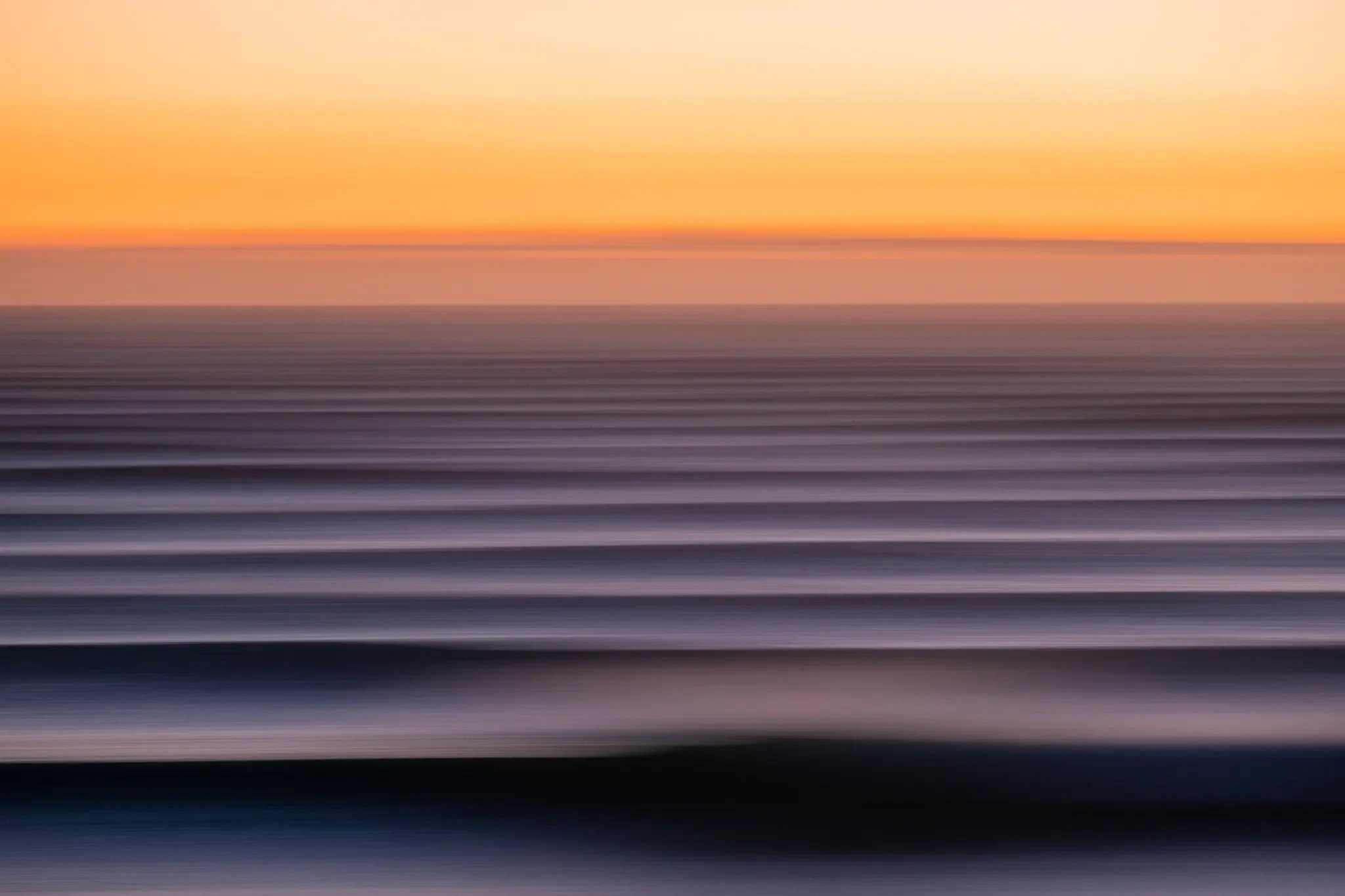
Fujifilm X-T3 | WR XF 100-400mm | 100mm | 1/15 sec | f/4.3 | ISO 160
2. Building confidence in the water
Confidence in the ocean is the foundation of creativity. When you feel at ease, you notice the details: shifting currents, reflections, tiny droplets catching the sun.
To get started, you’ll need more than gear. Yes, a good pair of fins (short bodyboard-style ones are my go-to) and a water housing are essential, but confidence is what truly keeps you safe. I used to swim out with the Seamen Ocean Swim Squad in Mount Maunganui, out to Motuotau Island (Rabbit Island) and even halfway around Mauao. Honestly? Swimming out into surf feels like nothing compared to those ocean swims. That training pushed me way out of my comfort zone, but it taught me resilience and gave me the strength to handle myself in the surf with a camera.
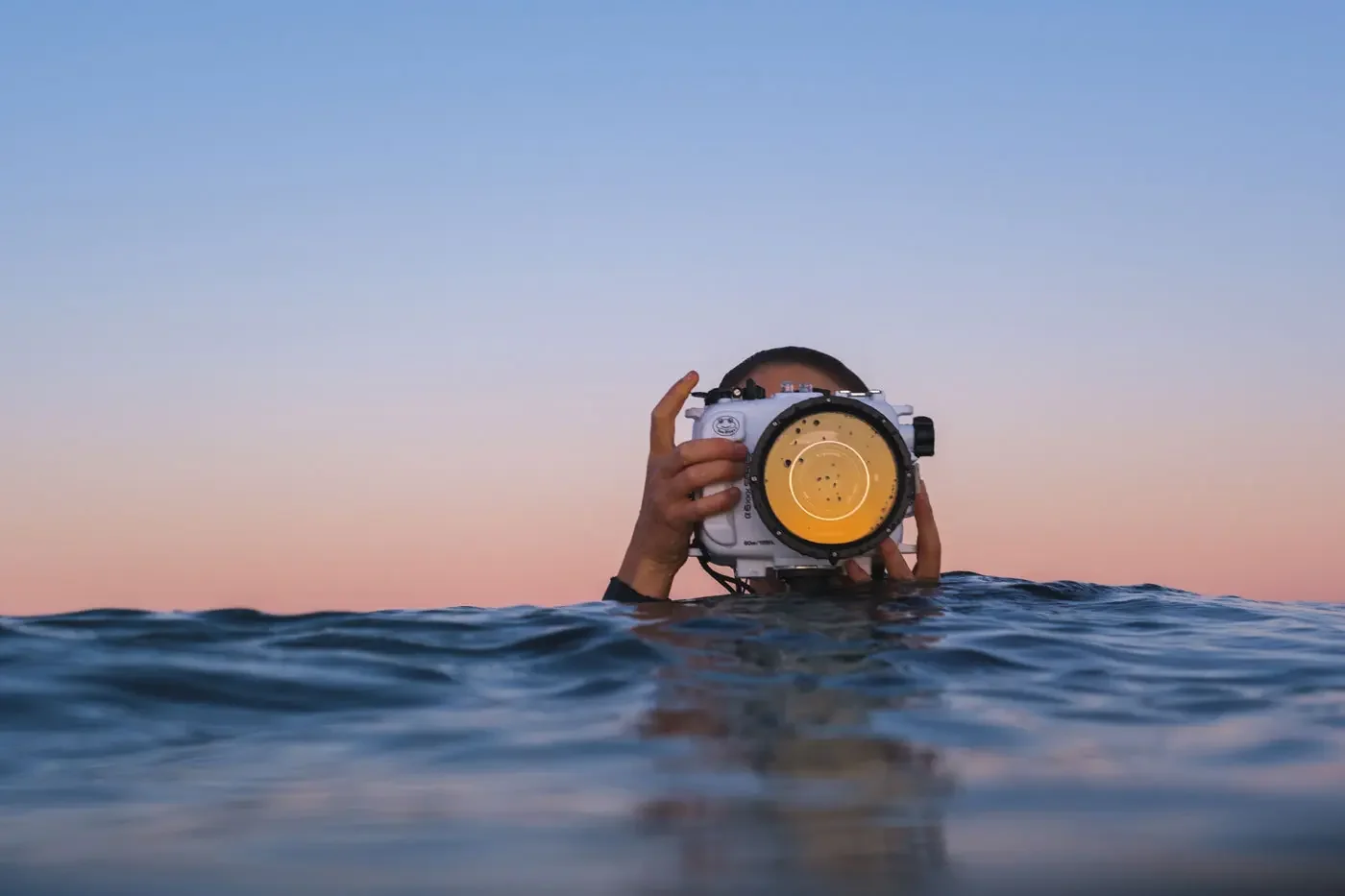
Fujifilm X-T3 | WR XF 16-55mm | 39mm | 1/125 sec | f/5.6 | ISO 160
Another big confidence booster for me was completing a freediving course with Salt Aotearoa. Learning to freedive to 13 metres gave me a deeper awareness of my body, breath, and comfort levels beneath the surface. That training carried directly into my surf photography. I felt calmer duck diving, more capable of staying under for longer, and overall more connected with the ocean environment.
If a freediving course feels like a leap, you can still build water confidence in smaller ways: floating on your back between sets, practicing breath holds in a pool, or even swimming with fins on calm days just to feel how they change your movement through the water.
The more confident you are in the water, the freer your mind becomes to focus on creativity instead of just survival.
Still feeling a bit unsure about ocean safety or how to get started? I’ve answered some of the most common questions in my Surf and Water Photography FAQs. It’s a great place to dive deeper before your first session.
3. Navigating the surf
Two essentials here: hyper-awareness and surf knowledge. Learn to read the waves, you’ll want to know where they’ll break and which way they’ll peel, so you can position yourself without getting in the way.
Positioning depends on your vision: if you want a calm portrait of someone sitting on their board out the back, you’ll need to swim out there. If you’re after a surfer carving down the line, you’ll need to sit on the inside and anticipate their path. Always make sure you’ve got enough water beneath you to duck dive out of danger, and when you’re learning, go out with a friend who knows you’re practicing. It’s the safest way to grow your confidence without getting in (or a fin!) over your head.
4. Learning to see differently
Over time I realised surf photography isn’t just about capturing surfers mid-turn or nailing the classic action shot. The real magic often lies in the in-between moments: the way light shimmers through a duck dive, how spray catches the sunrise and turns into a halo, or the quiet rhythm of shadows across the surface.
Surf and water photography is as much about perception as it is about technique. The ocean teaches you to look beyond the obvious: the way backlit spray creates halos, how a duck dive refracts light beneath the surface, or how shadows tell stories as powerful as the highlights.
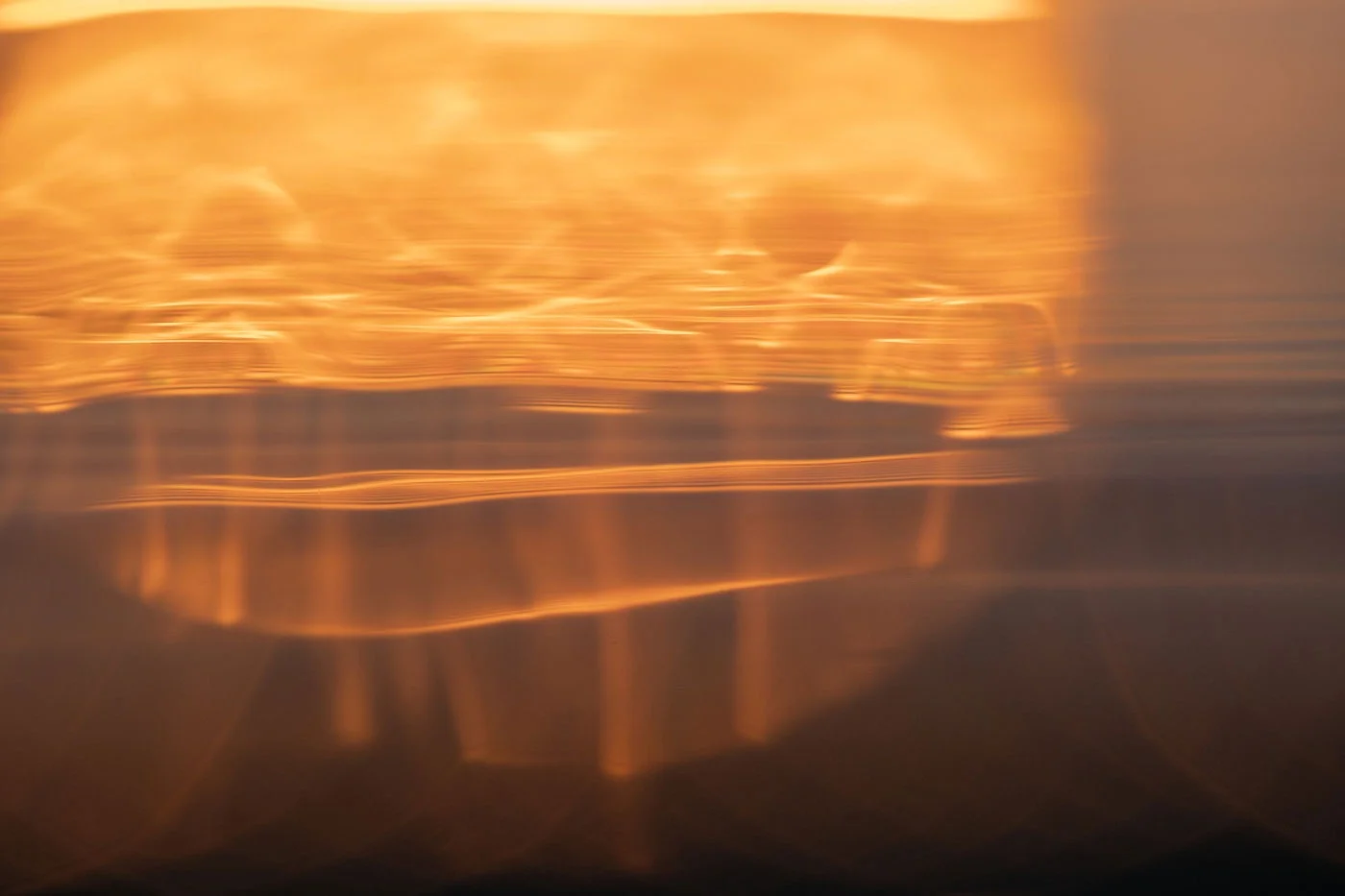
Sometimes the most striking images come from breaking the rules. Try shooting directly into the sun for silhouettes. Or flip an underwater frame upside down to create abstract, otherworldly compositions. Photography isn’t just about documenting, it’s about reimagining how the ocean can be seen.
That experimentation continues into the edit too. I created Oceania, my collection of 14 Lightroom presets for ocean and seascape photography, from the different light, colours and moods I’ve encountered photographing life around the water.
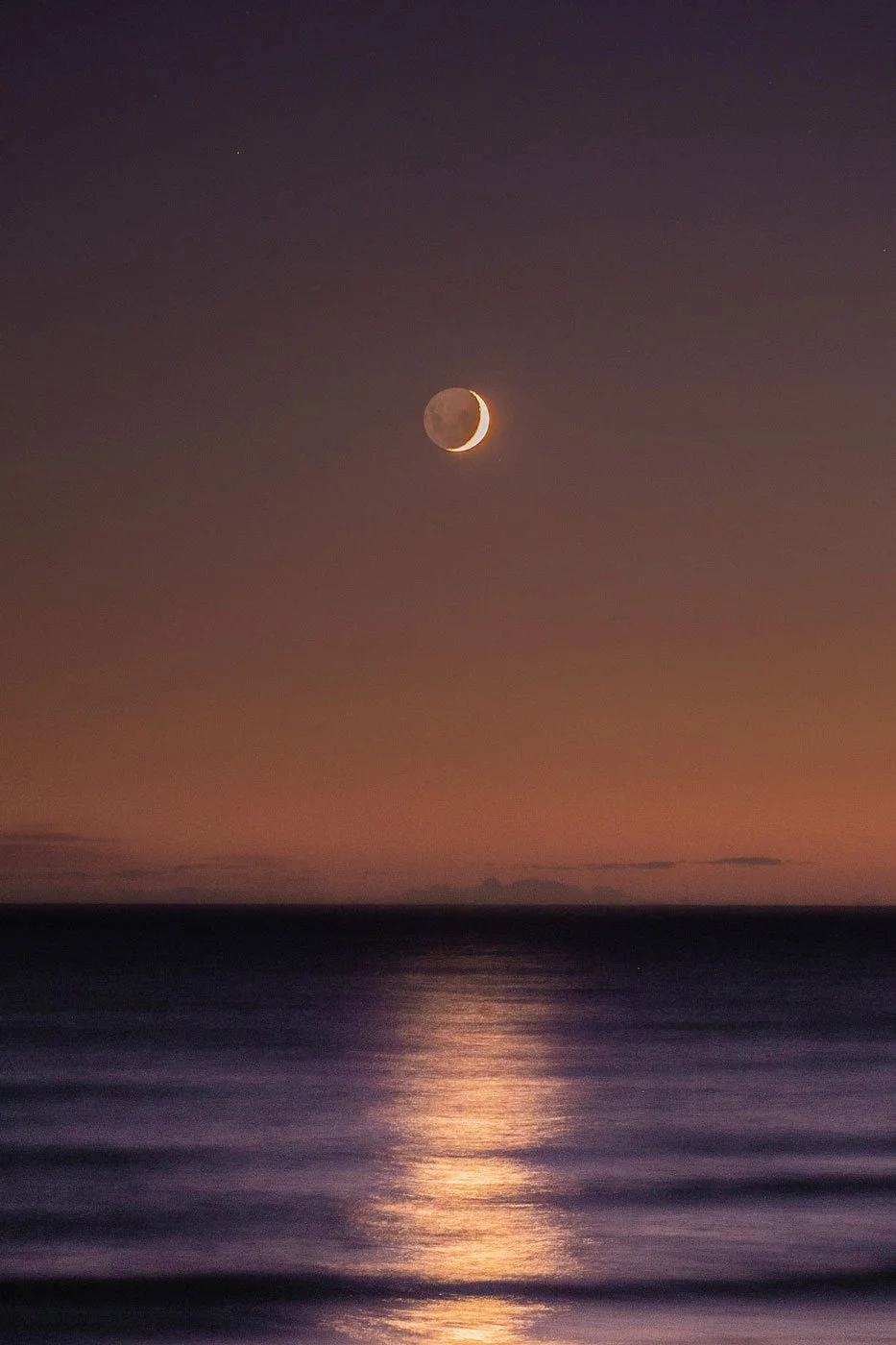
Lou’s Top Tips
Here are a few experiments that have shaped my own water photography:
Silhouettes at sunrise → Shooting into the light creates striking, moody outlines of surfers and waves.
Staying in the shallows → Instead of always swimming out back, try sitting where the waves break softly. You’ll capture playful, intimate perspectives.
Wave details → Focus on the lip of a wave, spray droplets, or reflections on the surface rather than the surfer.
Upside down edits → Flip your underwater shots in post. It’s a simple trick that transforms them into abstract art. Some of these experiments went on to inspire the looks in my Oceania Lightroom preset collection.
What if? → Whenever I feel stuck, I ask this question. What if I sit in the shallows instead of paddling out? What if I only shoot the lip of the wave? This mindset keeps me curious and always learning.
Practice, practice, practice → The only way to find your true voice is by spending as much time as possible in the water. Every session teaches you something new.
Don’t be afraid to defy the rules, either. Shooting directly into the light might feel “wrong,” but it’s often where the magic happens. Those moody silhouettes of surfers in motion? They only exist because I wasn’t afraid to experiment.
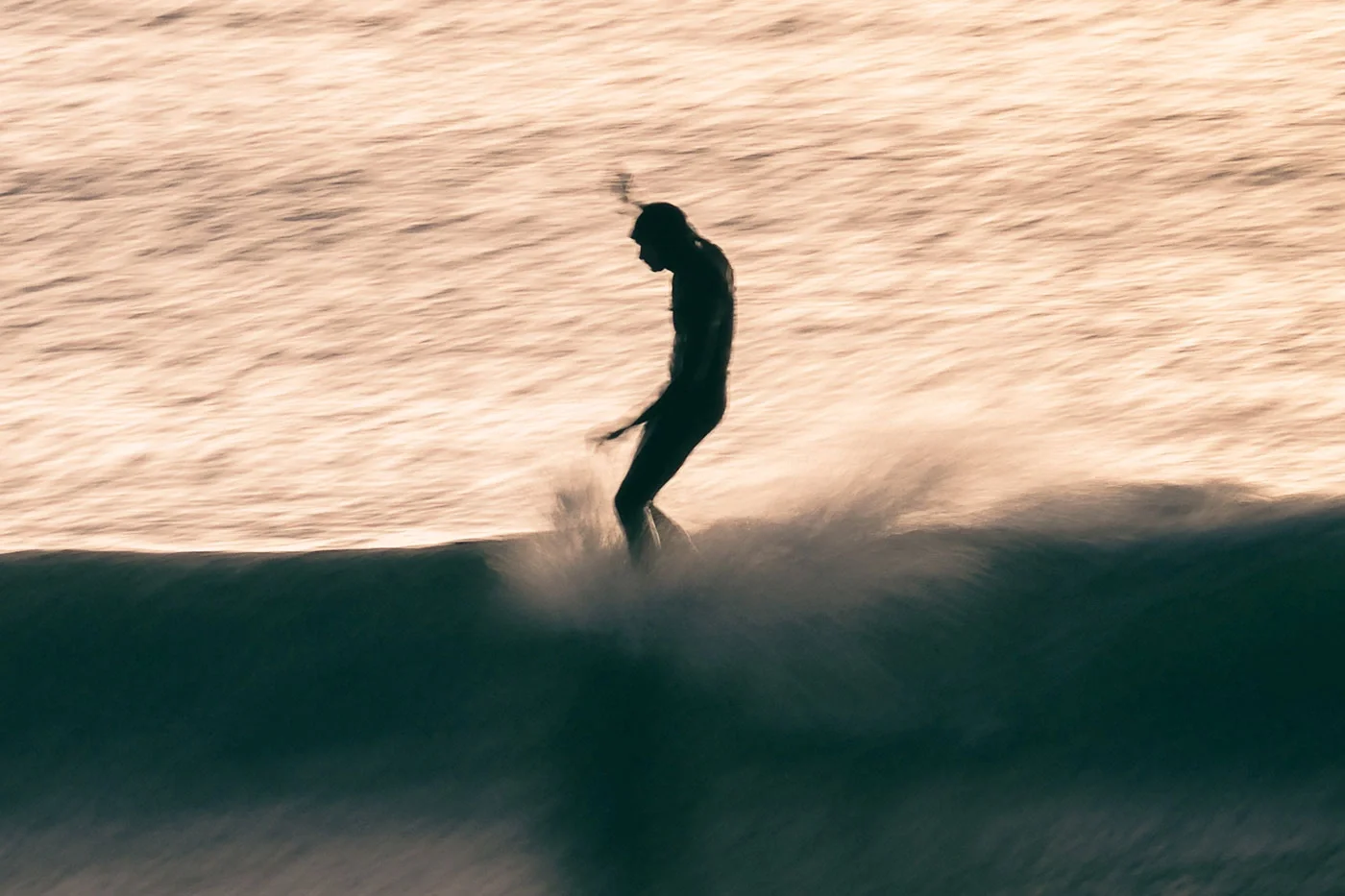
Fujifilm X-H2 | WR XF 100-400mm | 171mm | 1/10 sec | f/6.4 | ISO 125
That’s a wrap
The beauty of water photography isn’t just in the final image, it’s in the process. It’s in showing up with curiosity, building confidence session by session, and learning to see the ocean in ways you never noticed before.
So, experiment. Play. Be patient with yourself and let the water teach you. The best photos often come not when you’re chasing perfection, but when you’re simply open to surprise.
Keep experimenting in the edit, too. If ocean, surf and underwater photography is your thing, explore Oceania, my collection of Lightroom presets created for life around the water.
If you’re experimenting in the water or with my presets, tag me on Instagram — I’d love to see what you’re creating.
Happy experimenting,
L x