
Surf and water photography: 14 FAQs answered (gear, tips, and editing)
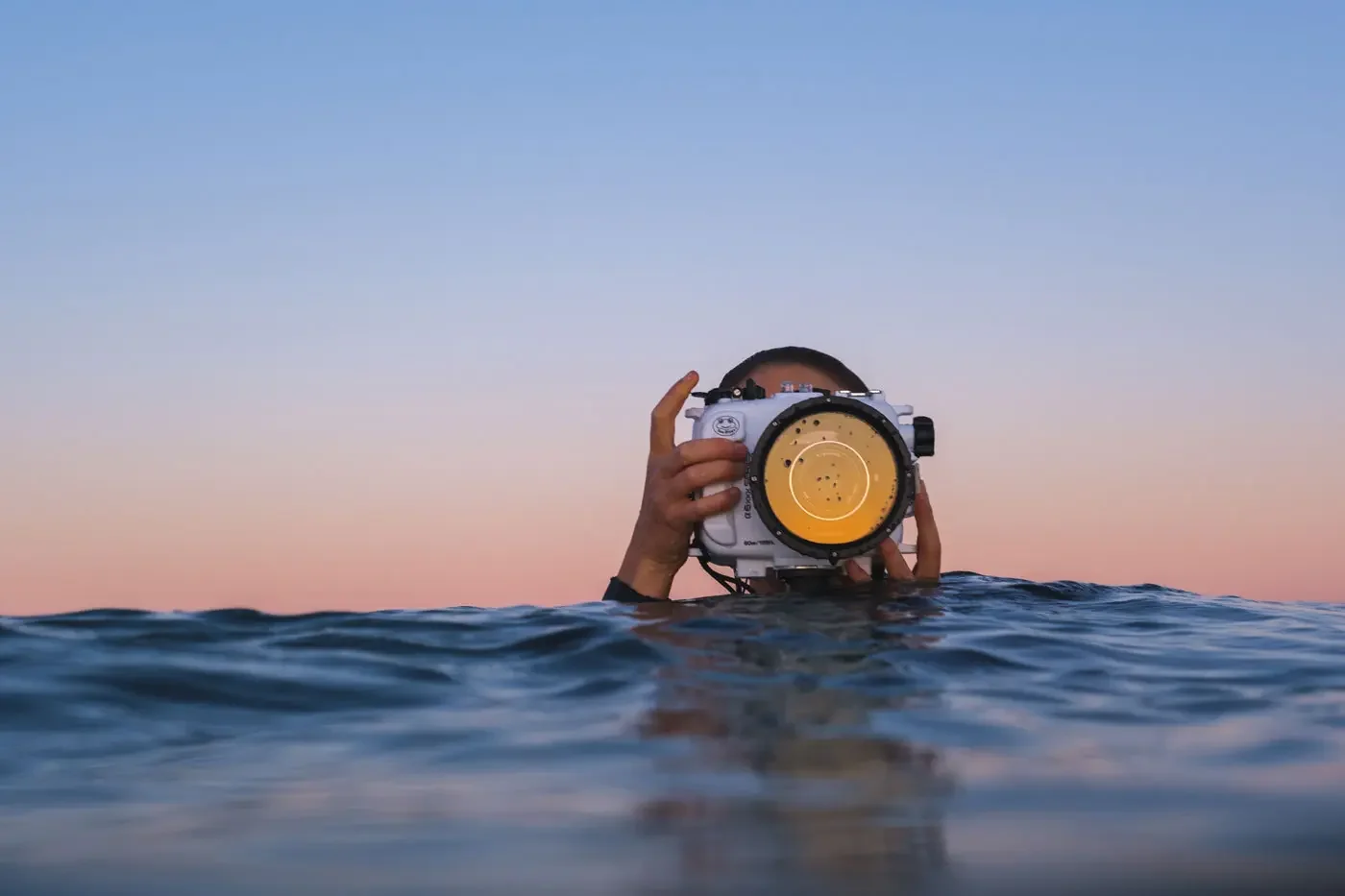
Fujifilm X-T3 | WR XF 16-55mm | 39mm | 1/125 sec | f/5.6 | ISO 160
Have you ever sat out the back, bobbing on your board, wishing you could capture the exact way the light hits the water or the rush of a breaking wave? That is where surf and water photography comes in. It is not always easy, the gear can be expensive, the settings can feel intimidating, and the ocean has a mind of its own. But trust me, the rewards are worth it.
In this post, I am answering the 14 most common FAQs I get about surf and water photography, from gear choices to editing tips, so you can get out there with more confidence.
Quick links: surf and water photography FAQs
What is the cost involved with getting started in surf and water photography?
What waterproof camera housing is best for surf photography?
How do you see your camera screen in glare while shooting in the surf?
How do you adjust camera settings and focus while swimming in the surf?
What are the best camera settings for surf and water photography?
How do you find surf photographers and models to shoot with?
Where can I buy surf fins for water photography in New Zealand?
1.What is the cost involved with getting started in surf and water photography?
Assuming you already have a wetsuit, the two main expenses are water housing and fins. With the housing I use and a good set of flippers, you are looking at spending around NZD $800 to $1000. A solid camera will start from around $900 and upwards.
Don’t be put off by the cost. I saved for ages before I was able to buy my setup. My journey began with upgrading my DSLR to a mirrorless camera, shooting from land, and really learning my settings. When I finally had enough for housing and took my camera into the water, it completely transformed not just my work but also my whole experience with photography.
Tip: Start with what you can afford, practice on land, and upgrade piece by piece. The fundamentals matter more than having all the gear straight away.
2. What should I look for in a camera for surf and water photography?
If you want to get seriously into water photography, I recommend a mirrorless camera with interchangeable lenses. This gives you the freedom to experiment with different focal lengths and positioning in the water.
If you are not ready to spend big, secondhand cameras are a smart option. Just make sure there is housing available for the model you choose. If you are only looking to play around and grab some fun shots, you can use a fixed-lens camera, but again, the key is that there must be compatible housing for it.
👉 Related read: 10 Tips for Photographing the Moon
Tip: Always check that housing exists for your chosen camera before buying, otherwise your setup will not make it into the water.
3. What is the best lens for surf and water photography?
My Fujifilm X-T3 housing limits which lenses I can use, because the lens port needs to match the lens size. Seafrogs only make two ports for my camera, so my choices are limited.
Most of my water shots are taken with the 16–55mm lens. I love shooting between 45 and 55mm because it allows me to capture both wider landscapes and close-up details. Many of the iconic shots you see in my print store, like A Moment with Mauao, were taken in that focal range.
Tip: Get comfortable with one versatile lens before adding more. Mastering a single focal length can teach you more about composition than constantly switching lenses.
4. What lens should I use for surf photography from the shore?
Out of the water, my favourite is the 100–400mm. This lens gives me a fresh perspective, whether I am zooming in on the moon or capturing the ocean from a high point. It compresses distance beautifully and sometimes makes the shot look like it was taken from the air. For me, this is the best lens for surf photography from land, because it allows me to get closer to the action even when I am shooting from the shore.
Tip: Use longer focal lengths on land to find new perspectives. They allow you to capture detail and scale in ways the eye cannot.
5. What waterproof camera housing is best for surf photography?
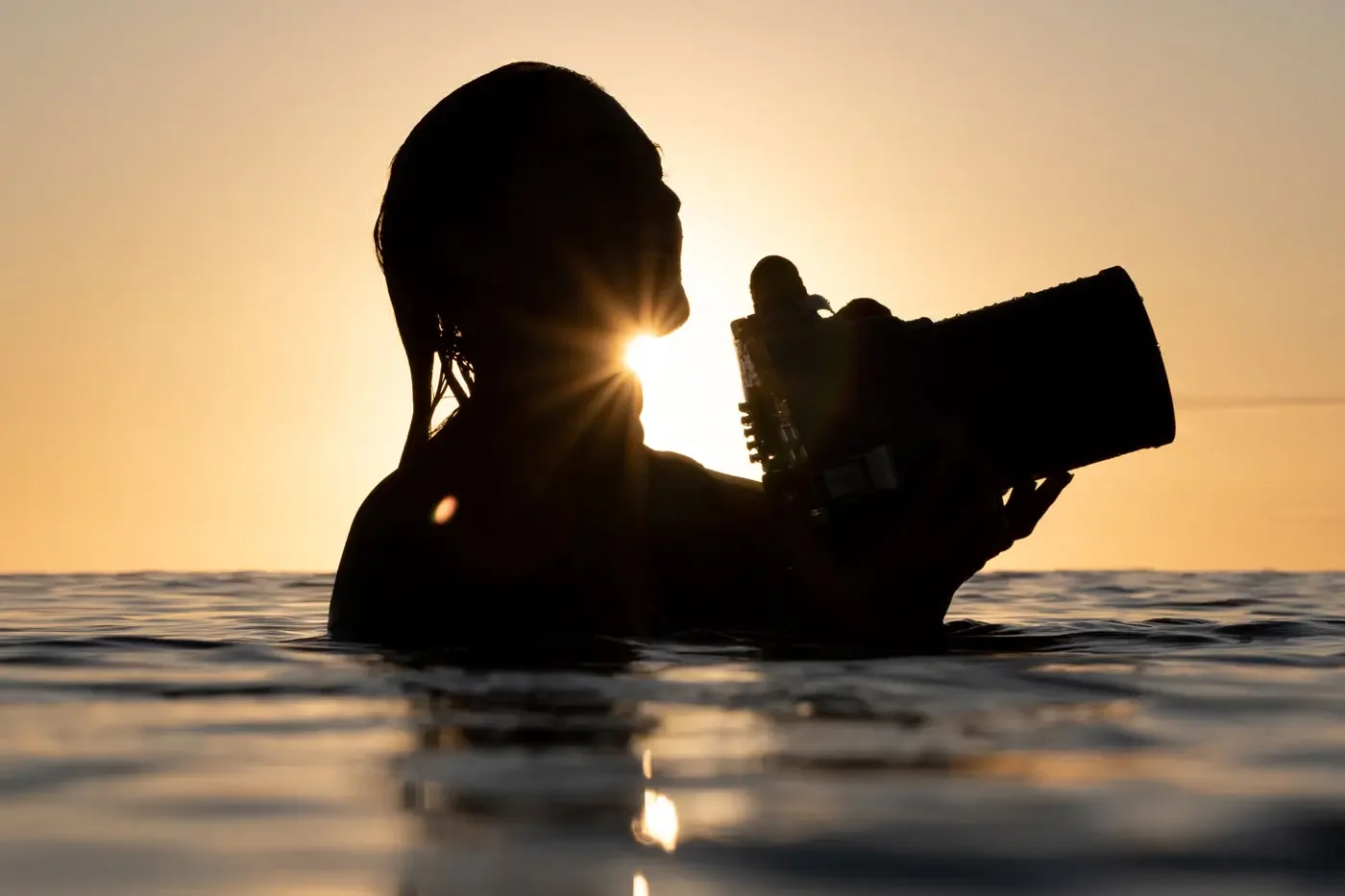
Fujifilm X-T3 | WR XF 80mm | 80mm | 1/500 sec | f/6.9 | ISO 160
I use Seafrogs housing. It is the best priced option I have found for my camera, costing around NZD $800. Mine came with lens ports and zoom gear included. I also invested in a vacuum pump, which helps detect leaks and makes sure the housing is watertight before heading out.
Camera housings are designed for specific models because every camera has unique button placements. This is why a perfect fit is essential, so you can access all your settings while floating out the back.
If you have more budget, AquaTech is the industry leader with more customisation and lens port options. If my print sales grow, that is the upgrade I have my eye on. You can get 5% off AquaTech water housings with code LOU5.
Tip: Always do a leak check before getting in the water. A simple vacuum test or rinse can save you from losing your camera.
Ready to invest in an AquaTech housing? Get 5% off AquaTech water housings with code LOU5. Shop AquaTech water housings →
6. How do you see your camera screen in glare while shooting in the surf?
This is one of the hardest challenges. With my housing, glare can make it really tricky to see the monitor. If your setup allows, switch between the monitor and the viewfinder. The viewfinder will give you a clearer frame without reflections.
Otherwise, shoot during times of softer light, like sunrise or late afternoon, when glare is reduced and conditions are naturally more flattering. The reality is that surf photography screen glare is something every photographer struggles with, so planning your sessions around light can make all the difference.
Tip: Avoid shooting in the harsh midday sun if possible. The light is harder to manage, both for your camera and your eyes.
7. How do you adjust camera settings and focus while swimming in the surf?
This takes practice. My housing connects to my camera dials, so I can adjust shutter speed and ISO while in the water. At first it feels fiddly, but over time your muscle memory builds.
For focus, I use autofocus. I would love to try manual focus in the water, but my housing does not allow it. Autofocus works well once you trust it. Flippers also make a huge difference because they help you stay steady while you adjust settings. I once tried shooting without fins and could barely stay afloat. Lesson learned.
Getting confident with adjusting camera settings in water comes with time, patience, and a lot of practice in calmer conditions first.
Tip: Spend time in calm conditions first. The more relaxed you are, the easier it is to adjust settings without rushing.
8. What are the best camera settings for surf and water photography?
I usually shoot with shutter priority, letting the camera choose the aperture. This gives me control over motion. A fast shutter freezes waves sharply. A slower shutter creates dreamy, blurred textures.
Once I experimented with aperture priority at f/4.6 during sunrise. The shots came out very dark, with the water looking like caramel. Not my everyday style, but a reminder that experimenting is key to finding your unique look.
The same experimentation carries through to how I edit. I created my Oceania Lightroom presets around the different colours, light and moods I encounter photographing the ocean.
Tip: Try both ends of the spectrum. Push your shutter to the extremes to see the difference, then find the balance that suits your style.
9. How do you find surf photographers and models to shoot with?
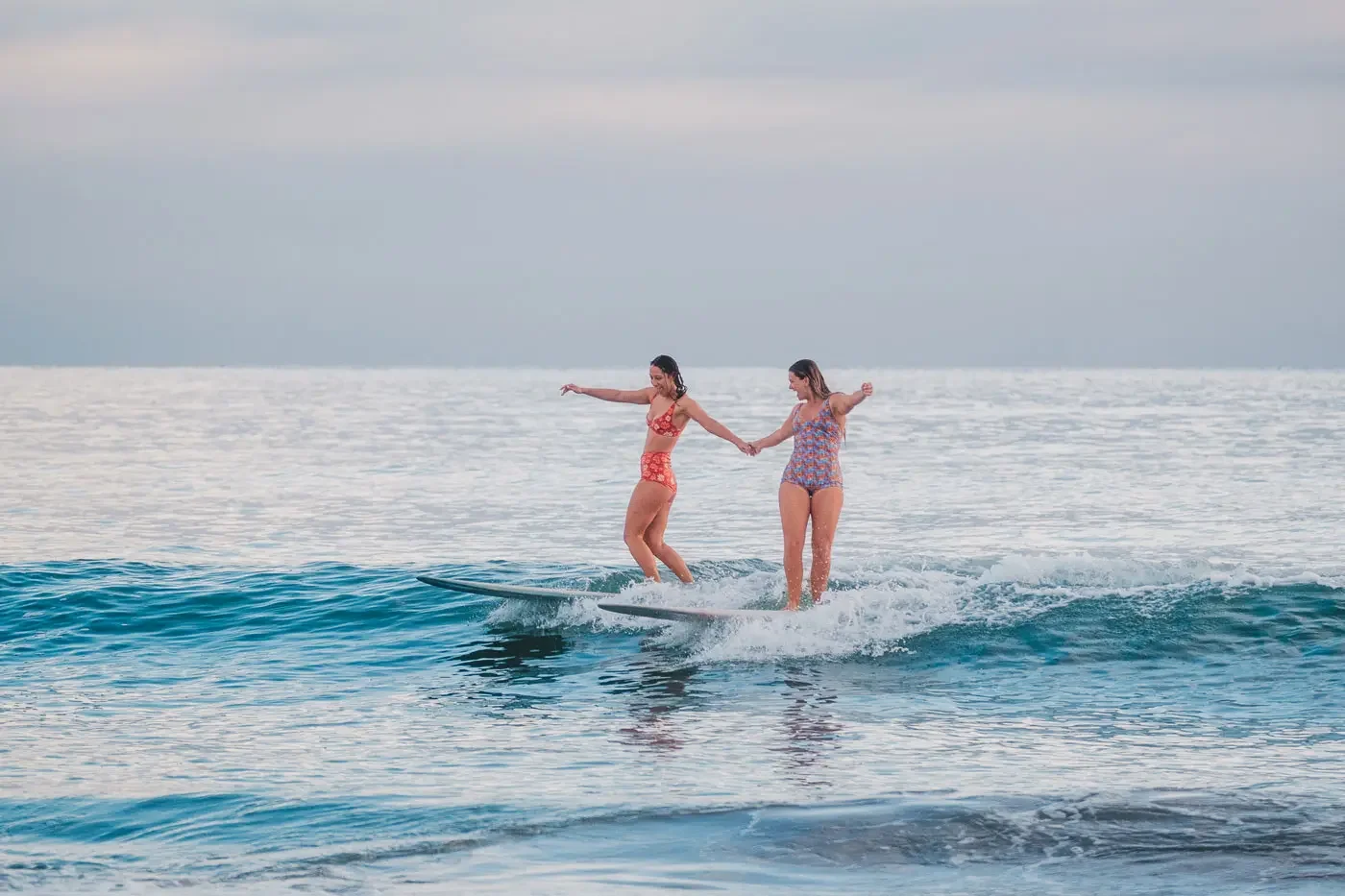
Fujifilm X-T3 | WR XF 100-400mm | 164.6mm | 1/1000 sec | f/4.8 | ISO 400
Instagram has been amazing for connecting with other creatives. Keep an eye out for workshops or meet-ups in your area, they are great for learning and for building community. Rambo Estrada’s workshops, for example, have been invaluable for me.
As for models, many of the surfers I photograph are friends or acquaintances. Shooting together becomes our way of hanging out. Do not be afraid to ask someone if they want photos. Most surfers love having shots of themselves in the water, and often these collaborations lead to new friendships. In fact, many of these sessions turn into informal surf photo shoots where everyone has fun and creativity flows naturally.
Tip: Collaboration leads to connection. Be genuine in how you reach out and you will build both your portfolio and your community.
10. How do you care for and maintain your surf water housing?
Always rinse your housing in fresh water after use. Let it soak for half an hour, then dry it off completely. If even a single drop gets inside, wipe it immediately.
One trick I swear by: spit on the port and lick it before you head out. It sounds strange, but it really works to prevent water droplets from ruining your shots. If you’re more sophisticated, you can use your surfboard wax on the port in a criss-cross pattern and rub off with a microfibre cloth until it’s shiny.
Looking after your gear is essential, and maintaining waterproof housing for surf photography should always be part of your workflow.
Tip: Treat your housing like your camera. Consistent care and small rituals will extend its life and keep your gear safe.
11. Where can I buy surf fins for water photography in New Zealand?
I use DaFin fins, which are durable, comfortable, and reliable. You can buy them online directly through DaFin Australia.
Last year, while shooting a maternity session with a pregnant surfer, I actually lost one of my fins in strong currents. Her husband had to tow me back to shore, which was humbling and a bit scary. Fun twist though, as we paddled in, she spotted the fin floating and grabbed it. It was a reminder of how unpredictable and powerful the ocean can be, especially during a photo session.
Tip: Invest in fins that fit well and always check conditions. Strong currents can catch you off guard, so make safety your priority.
12. Do I need to insure my surf photography gear?
Yes, always. My contents insurance covers my gear, and when I travel I add the value of the equipment I am taking. Check with your provider to make sure you are covered, especially if you plan to shoot overseas. Having proper surf photography gear insurance means peace of mind when you are out in unpredictable conditions.
Tip: Keep an updated list of your gear and its value. This makes claims and travel add-ons much smoother.
13. Why did you choose surf and water photography?
When I first learned to surf, I would lie on my board and watch how the reflections danced on the surface of the water. I wanted to capture that magic with a camera.
I love being at the mercy of nature. I can set a couple of controls, but I never know what kind of shot I will come home with. Every sunrise, every wave, every gust of wind changes the outcome. That mystery is what excites me the most about surf photography and water photography.
Tip: Let nature surprise you. The unpredictability of the ocean is part of the creative magic.
14. How do you edit surf and water photographs?
I always shoot in RAW so I can recover as much colour and depth as possible. When you shoot in JPEG, much of that information is baked in and cannot be recovered. RAW gives me the flexibility to balance tones, adjust highlights, and bring out the blues and warmth of the ocean exactly as I saw it.
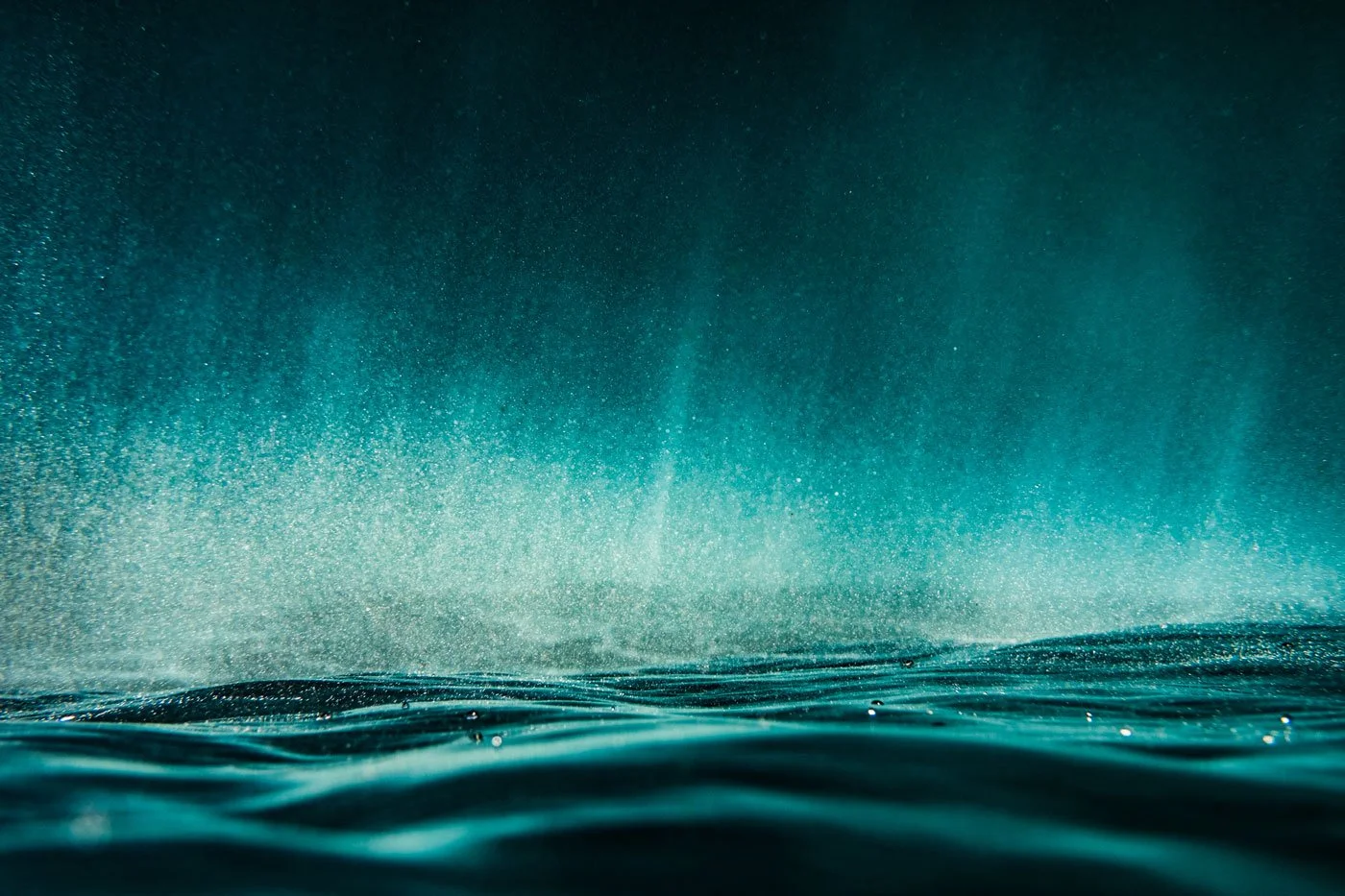
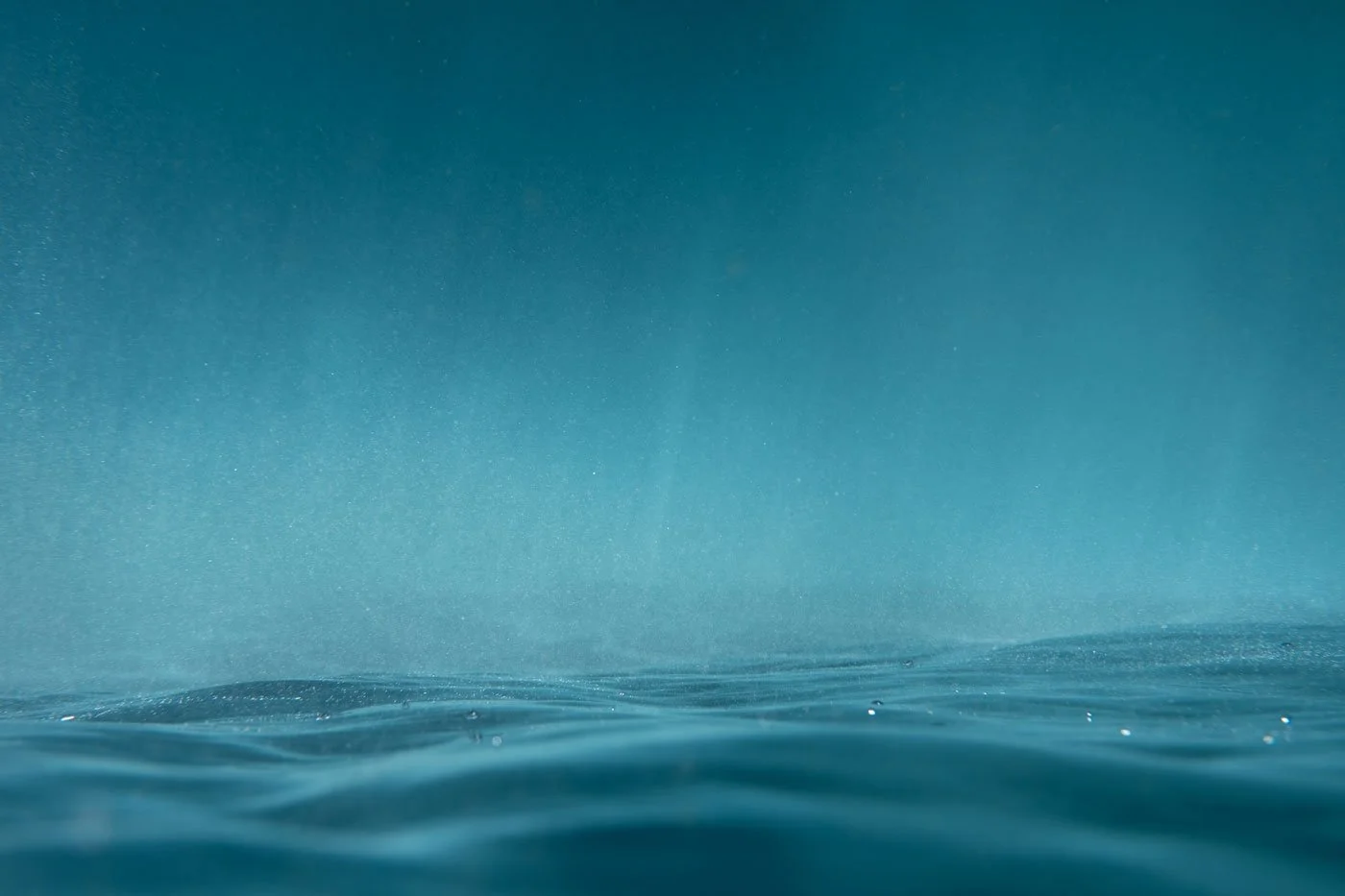
Edited with Cosmic Underwater, one of 14 presets in the Oceania collection.
Explore the Oceania Lightroom Presets →
Tip: Always shoot in RAW for surf and water photography. It gives you the flexibility to recover colour, depth, and detail that JPEG simply cannot keep.
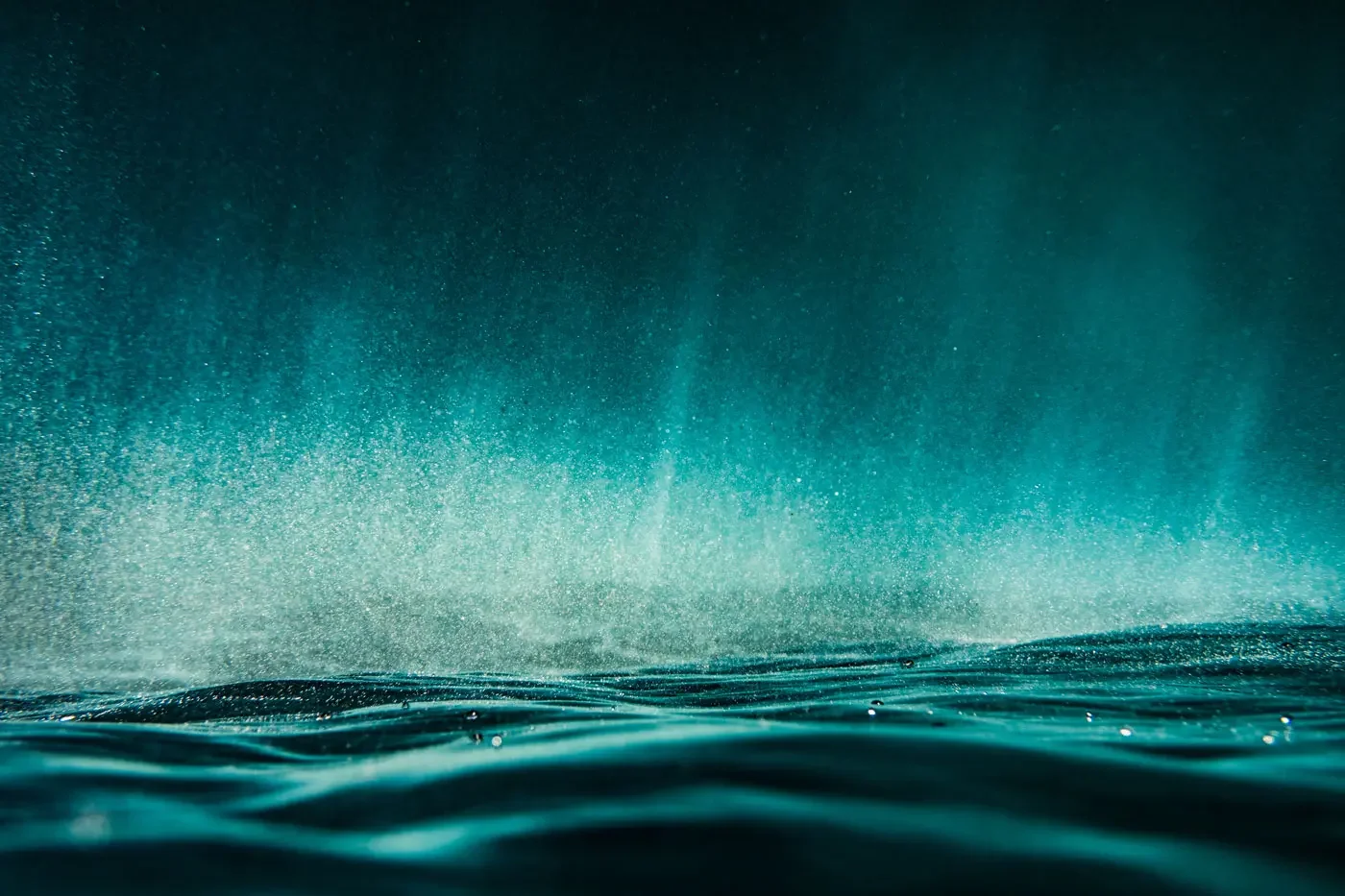
Fujifilm X-T3 | WR XF 16–55mm | 24mm | 1/1000 sec | f/3.2 | ISO 160 | Edited with Cosmic Underwater from Oceania, my oceans and seascapes Lightroom presets
Want to edit with the presets I use for my ocean photography?
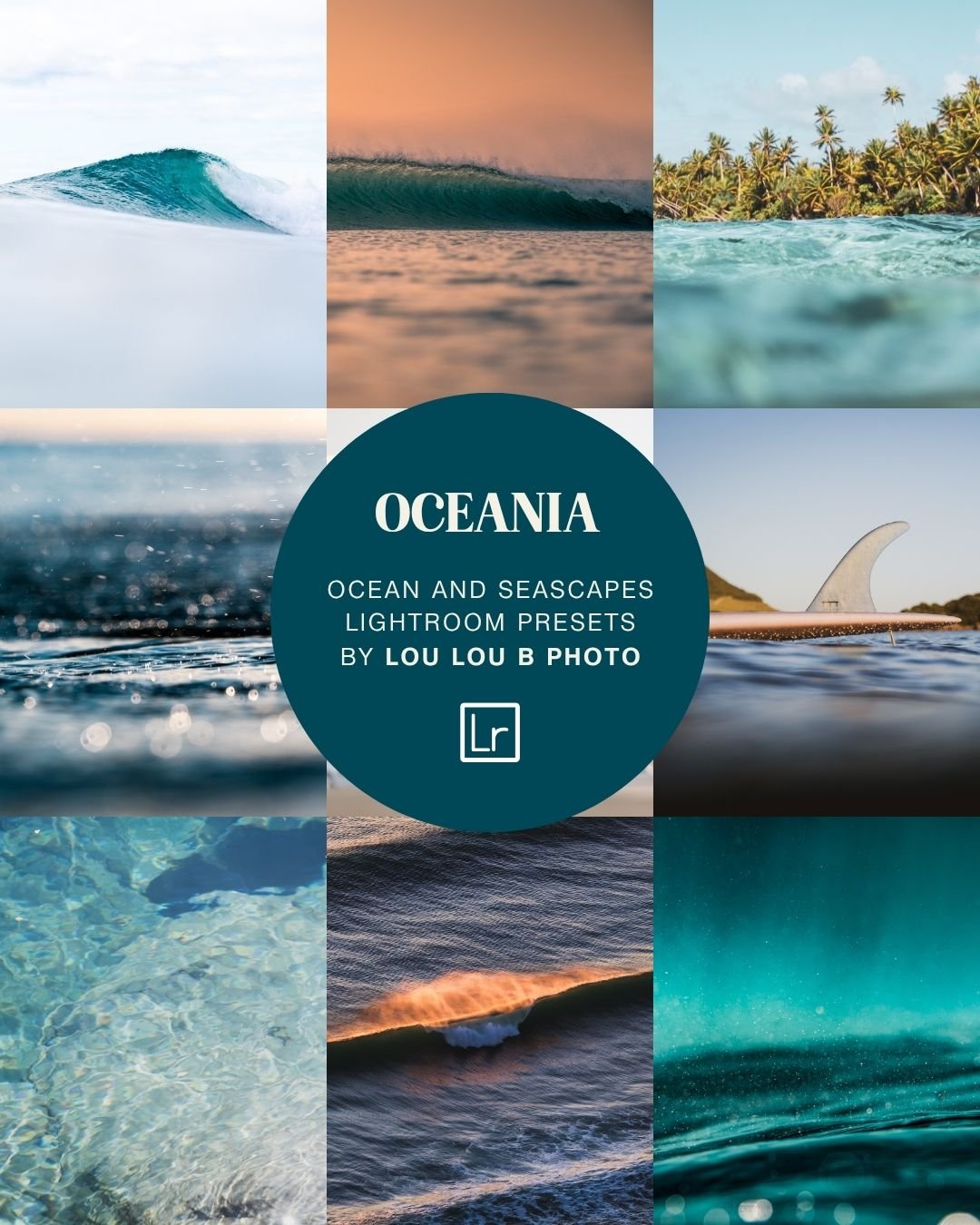
I created Oceania, a collection of 14 Lightroom presets developed from my own ocean, underwater, surf and coastal photography. They're designed as starting points for everything from soft sea blues and tropical water to deeper, moodier underwater tones.
The TLDR: surf and water photography
The ocean is always changing, and so will your photography. Some days you will come home with memory cards full of shots, other days just one frame that makes it all worth it. You will fumble, learn, adapt, and then one day you will look back and realise just how far you have come.
What matters most is that you keep showing up, with patience, curiosity, and respect for the sea. Every session teaches you something new. Every wave is an opportunity to create art. And every time you step into the water, you’re sure to feel that mix of excitement and intimidation which is what makes surf photography so addictive.
So start small, stay safe, and let your work evolve. Trust me: those fleeting moments of magic are worth every early wake-up, every swim through whitewash, and every frame that did not quite work.
L x
Take your ocean photography further
If you're ready to explore the editing side, discover Oceania: 14 ocean and seascapes Lightroom presets created specifically for ocean, underwater, surf, seascape and coastal photography.
Keen to learn more? Check out these 10 Essential tips for surf and water photography beginners.
You might also like my guide to photographing the moon, another of my favourite subjects forever tied to the rhythms of the ocean. 🌙