
Do you need a waterproof camera housing for surf photography?
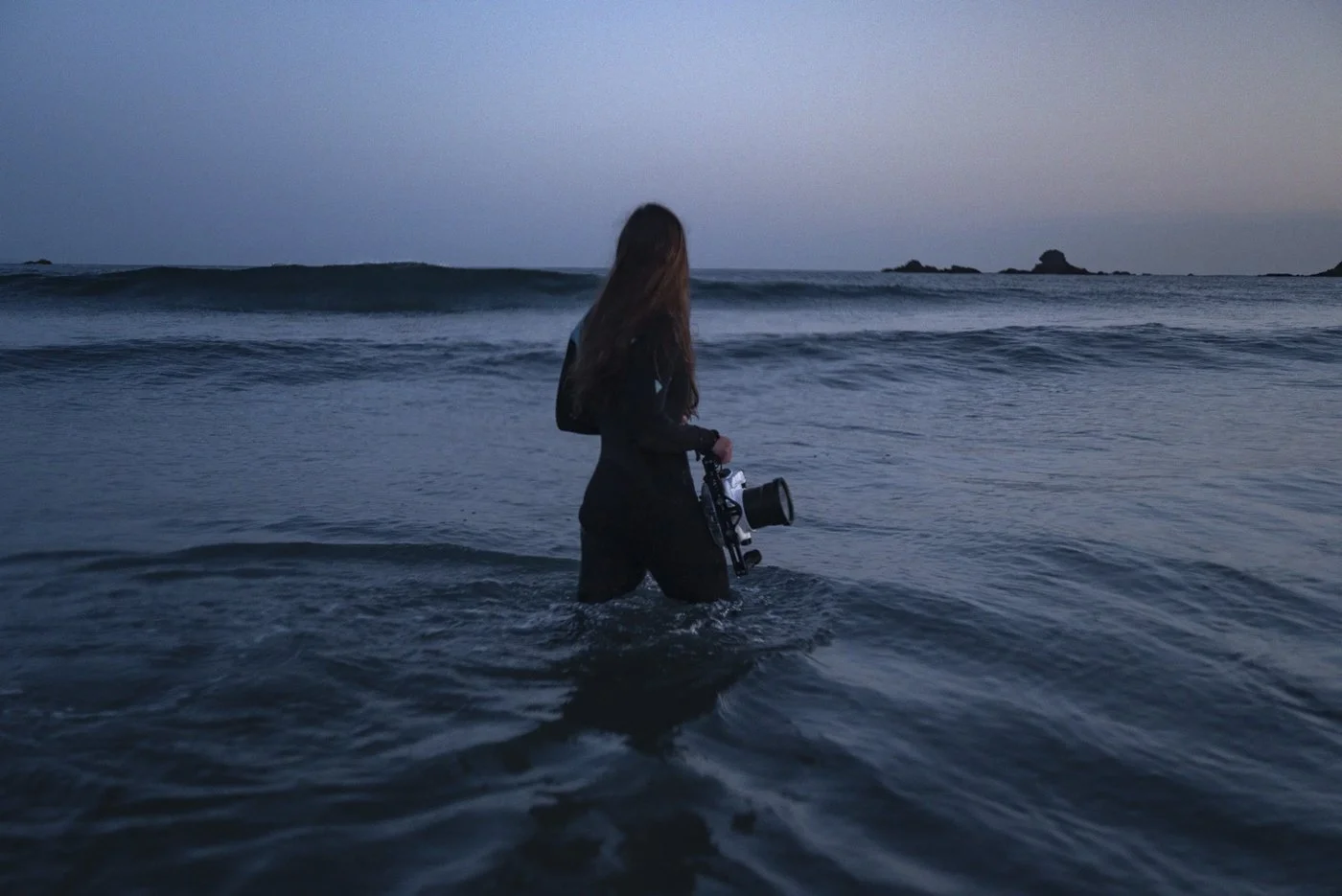
Surf photography is one of those things you're probably drawn to because the ocean already has you captivated. I don't know many water and surf photographers who weren't already surfers or ocean swimmers first. The water came before the camera.
And there's a reason not everyone shoots surf. It's not like taking your phone out on a hike. Out in the water you're in a living, breathing (wet) environment where all of your body is in demand as you paddle, all your focus is on incoming sets. You’re reading the environment and managing your position.
When I first started surfing, I was so curious about photographing in the water, that I got a GoPro so I could take photos in the water. I even got a mouth piece for my GoPro and used it all of about once because I hated trying to surf and take pictures at the same time.
Out in the surf is not a place to multitask.
That's part of what I love about it. The ocean asks you to put the tech down and just be there, totally immersed in the present.
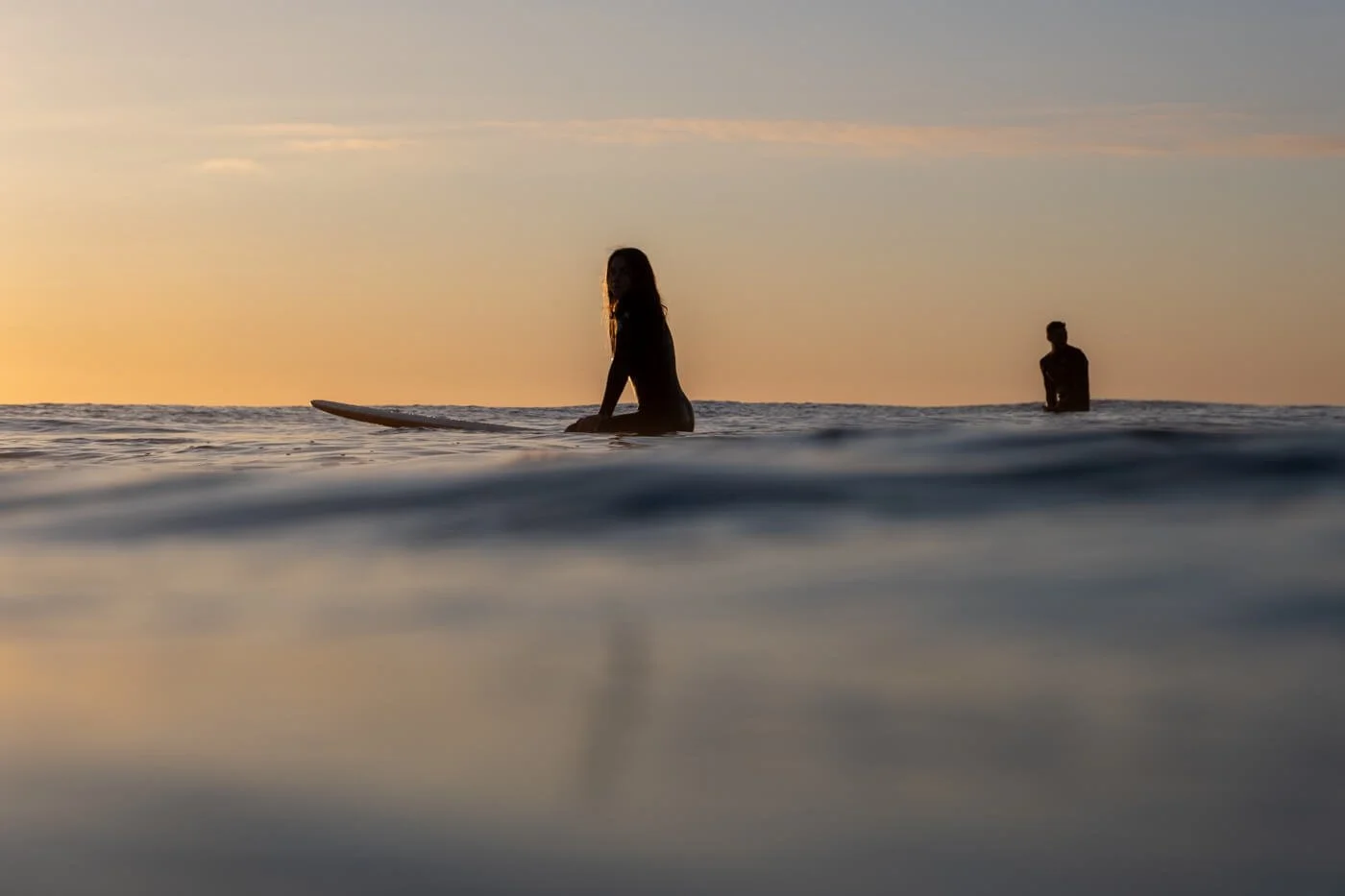
You can’t be anything but totally present in the ocean, even during those in between moments.
If you’re wondering whether you need a waterproof camera housing for in-water surf photography, the short answer is: only once you’re ready to actually take your camera into the lineup.
Getting your camera into the water is fairly straightforward, with one small caveat: it takes commitment and a bit of financial investment. If you’re totally frothing to get your camera in the water, there is some essential surf photography gear you’ll need, including a waterproof camera housing, but in this article we explore all your options while you’re asking the question: do you need a waterproof camera housing for surf photography?
In this blog:
Can you start surf photography without a waterproof camera housing?
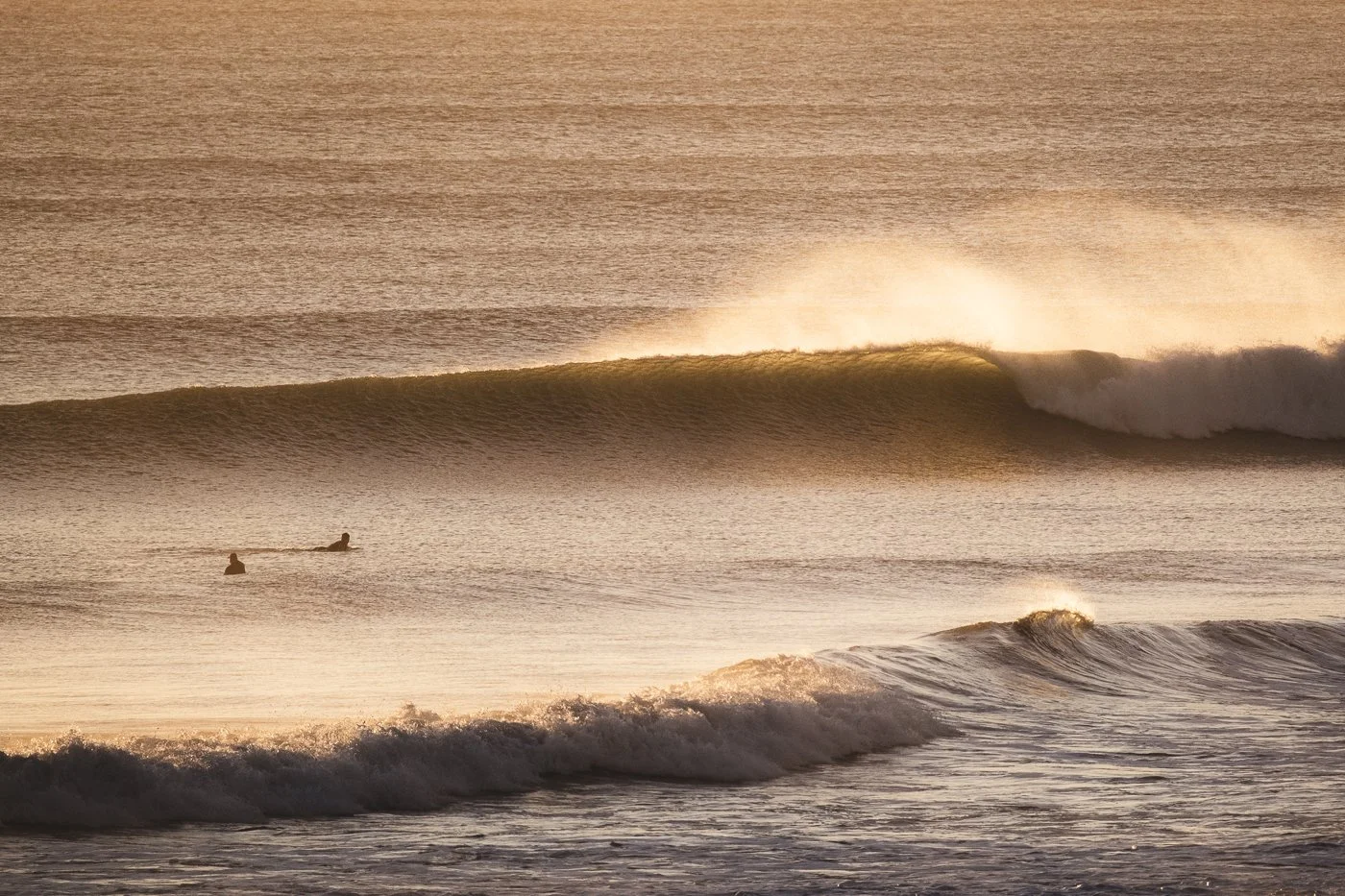
Shooting from the shore teaches you how the ocean moves before you ever try to move with it.
Before we talk about waterproof camera housings, let's talk about what's possible from the shore, because it's more than most people think, and it's where the real foundation gets built.
I believe photography is the art of observation. And there’s no better way to practice this than observing a body of moving water from the shore.
Working from the shoreline teaches you things you genuinely can't learn any other way. How waves move. How sets build. How light hits the surface differently depending on time of day, swell direction, wind. You start to recognise patterns, where a wave will break, how long it holds its shape, where a surfer is likely to appear in the frame.
You also get distance, and distance is actually an advantage when you're starting out. Longer lenses become your friend, especially at beach breaks where the next set might come through twenty metres to the left of where you're standing. No currents pulling you off position. No timing your breath between sets. Just you, the camera, and the kind of calm that lets you think about composition rather than just react.
This is where I find that meditative flow state too.
Me, the camera, the ocean.
Nothing to manage except witnessing and documenting.
I truly believe that time spent shooting from land builds the foundation for everything that comes next.
And when you eventually do start taking your camera into the water, smaller mellow beach breaks are usually a much better place to learn than heavy or crowded surf.
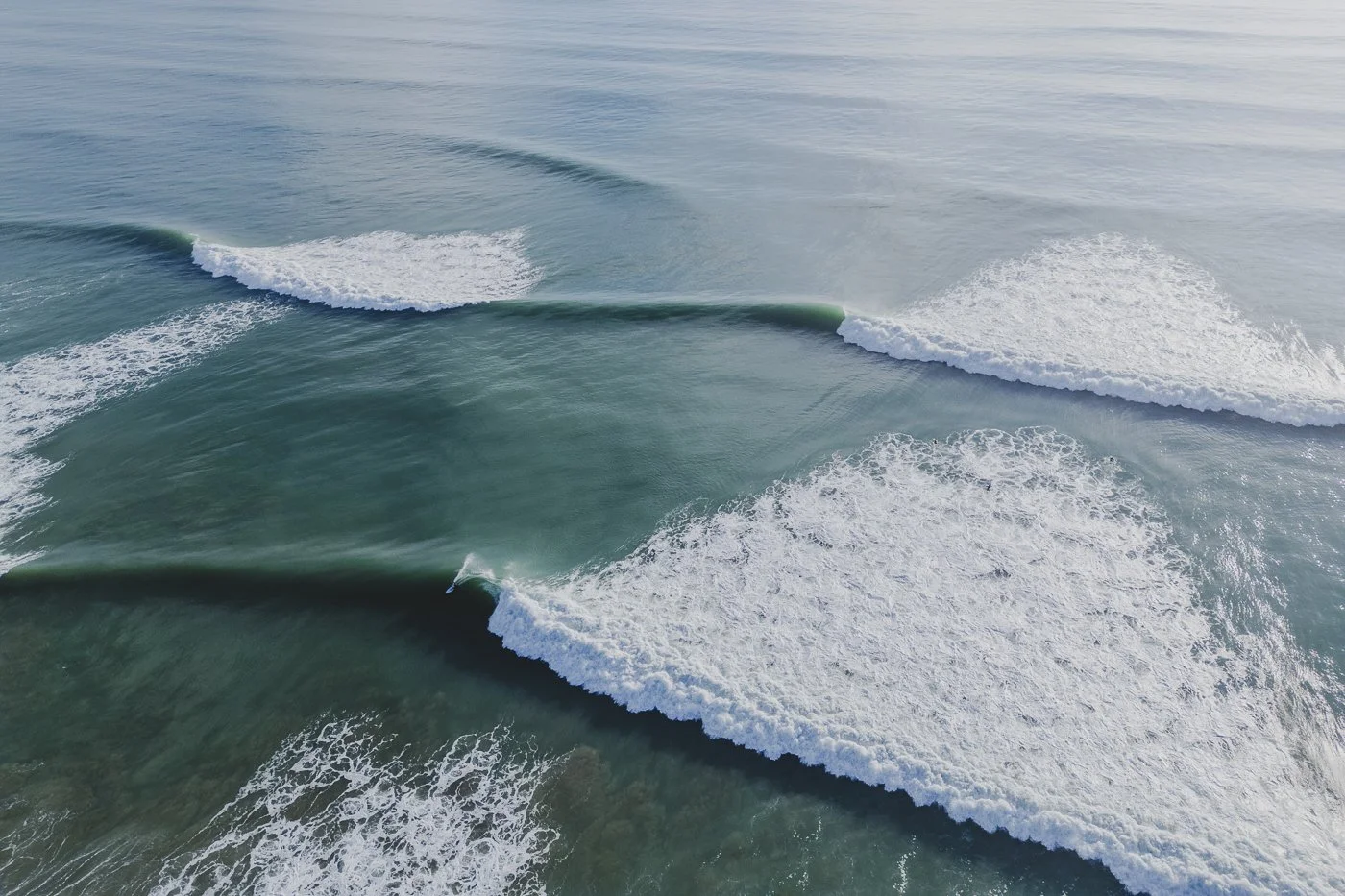
Exploring different perspectives of the ocean, even from above, helps build a varied surf photography portfolio.
When does a waterproof camera housing actually make sense?
There's a point where shooting from shore starts to feel like watching through a window. You've learned the patterns, you know where the action is, and you want to be inside it rather than observing it from a distance.
That desire usually shows up as a specific kind of restlessness. You want to shoot at water level rather than looking down from land. You're drawn to the texture and reflection on the surface up close. You want proximity to the surfers, to the waves.
You’ve probably been knee deep in the water with your camera trying to recreate that surface level perspective.
But most of all, you want to capture what it feels like to be in the ocean, not just what it looks like from outside it.
You’re probably ready for a housing once you find yourself consistently wishing you were closer to the action than your lens from shore allows.
That's when a waterproof camera housing for surf photography stops being optional, and becomes a really good investment.
A simple way I think about it: if the image you're imagining can't physically be taken from shore, you need a waterproof housing for your camera.
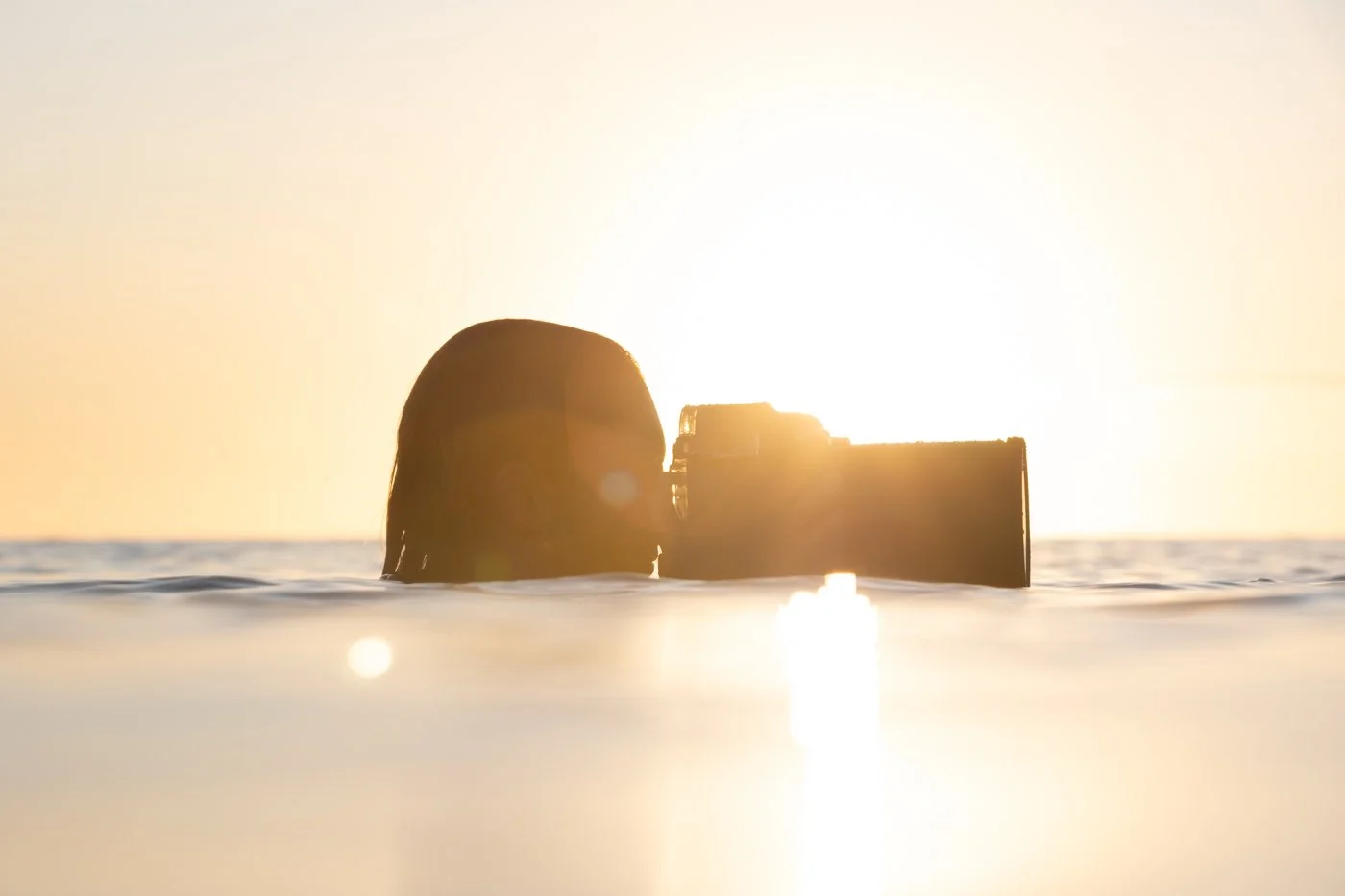
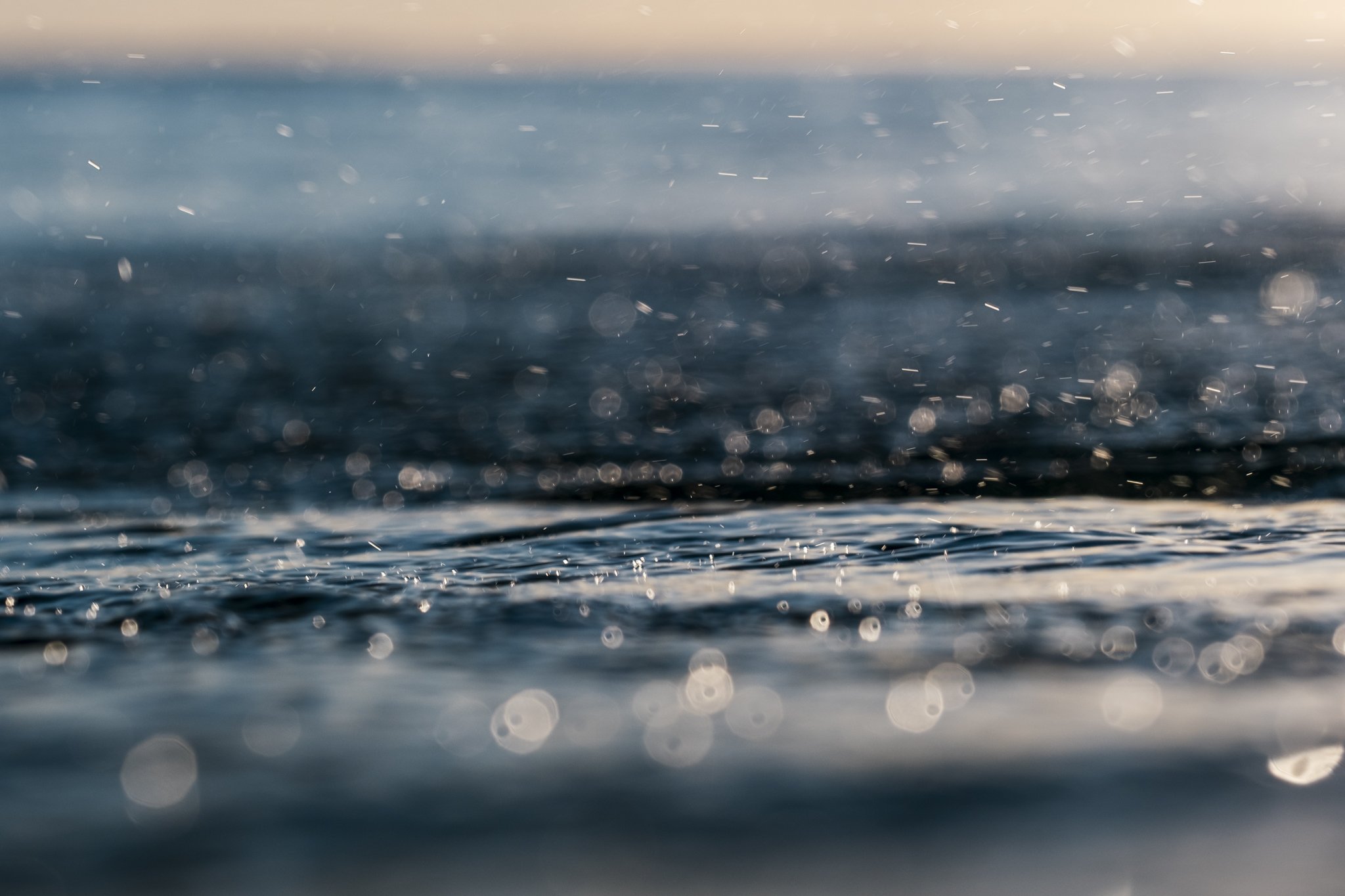
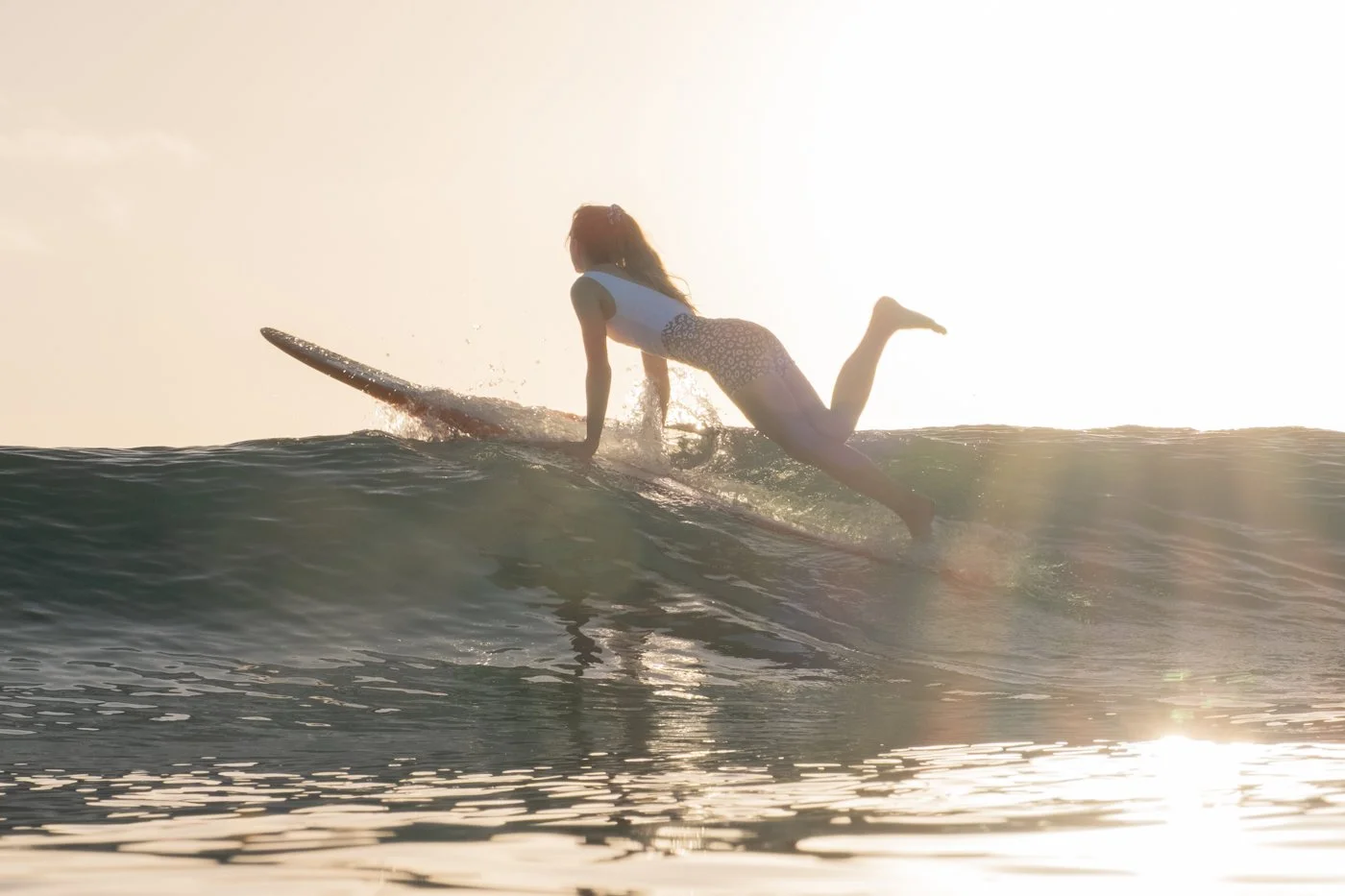
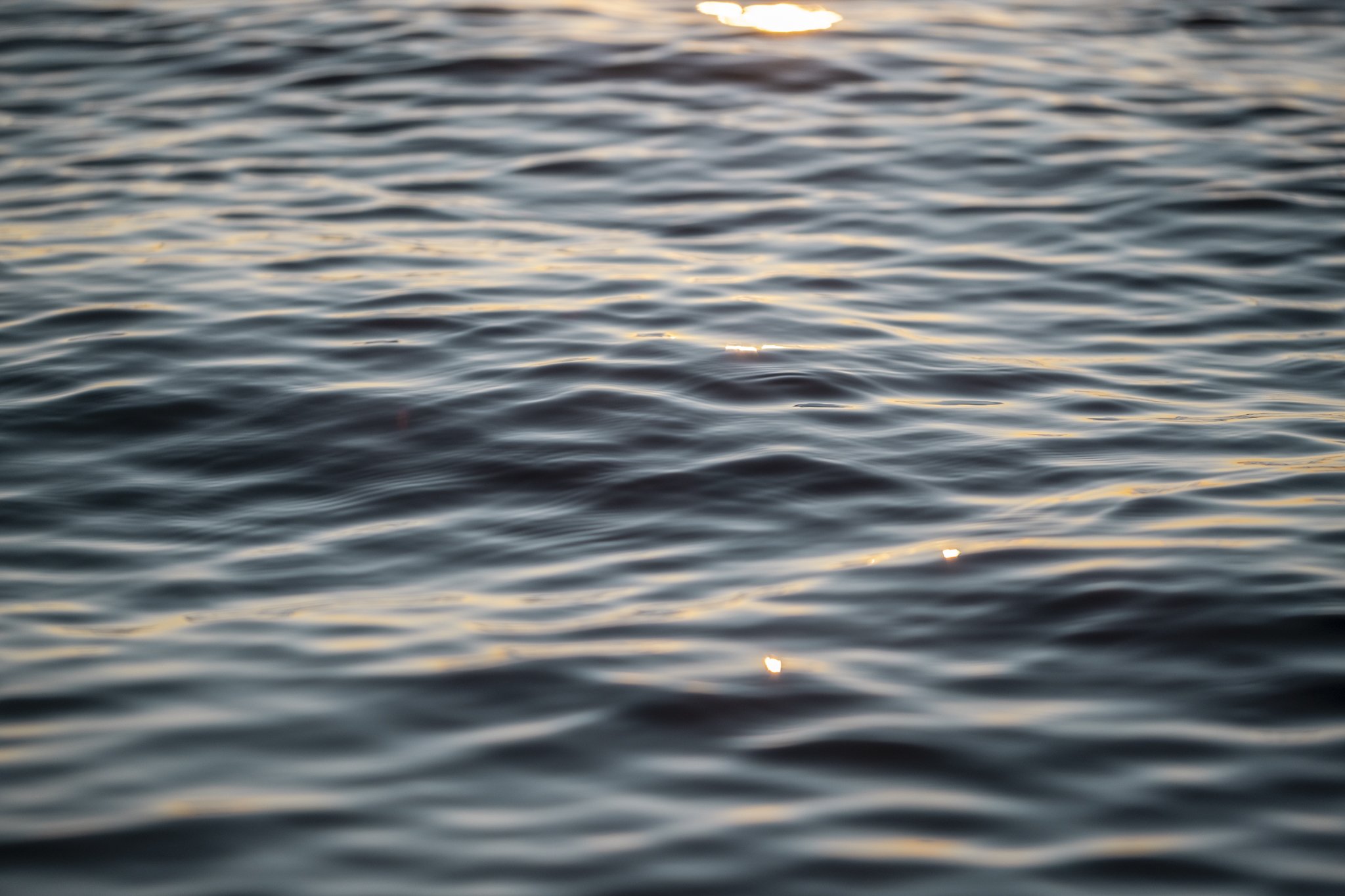
In-water photography changes the way you experience the ocean, as well as how you photograph it. Being immersed in the environment changes the feeling of the images too.
The mistake I made with my first housing
I tried to shortcut the process.
I bought a dry bag housing thinking it would be enough to test whether I liked shooting in the surf.
It lasted three sessions.
Looking back, I was more excited about getting in the water with a camera than I was prepared for what surf conditions actually demand from your gear.
The dry bag got a hole in it, and my camera never turned on again.
At the time it felt like a small risk. In reality, it was a reminder that surf conditions are completely different to calm bodies of water, like lakes and swimming pools.
If you’re taking your camera into the surf, your waterproof camera housing needs to be built for that environment. It’s not the place to experiment with something not designed for waves. As I learned the hard way!
A lot of surf photography is learning through mistakes and figuring things out as you go. I’ve written more about the biggest mistakes I made getting into surf photography here if you want to avoid some of the lessons I learned the hard way.
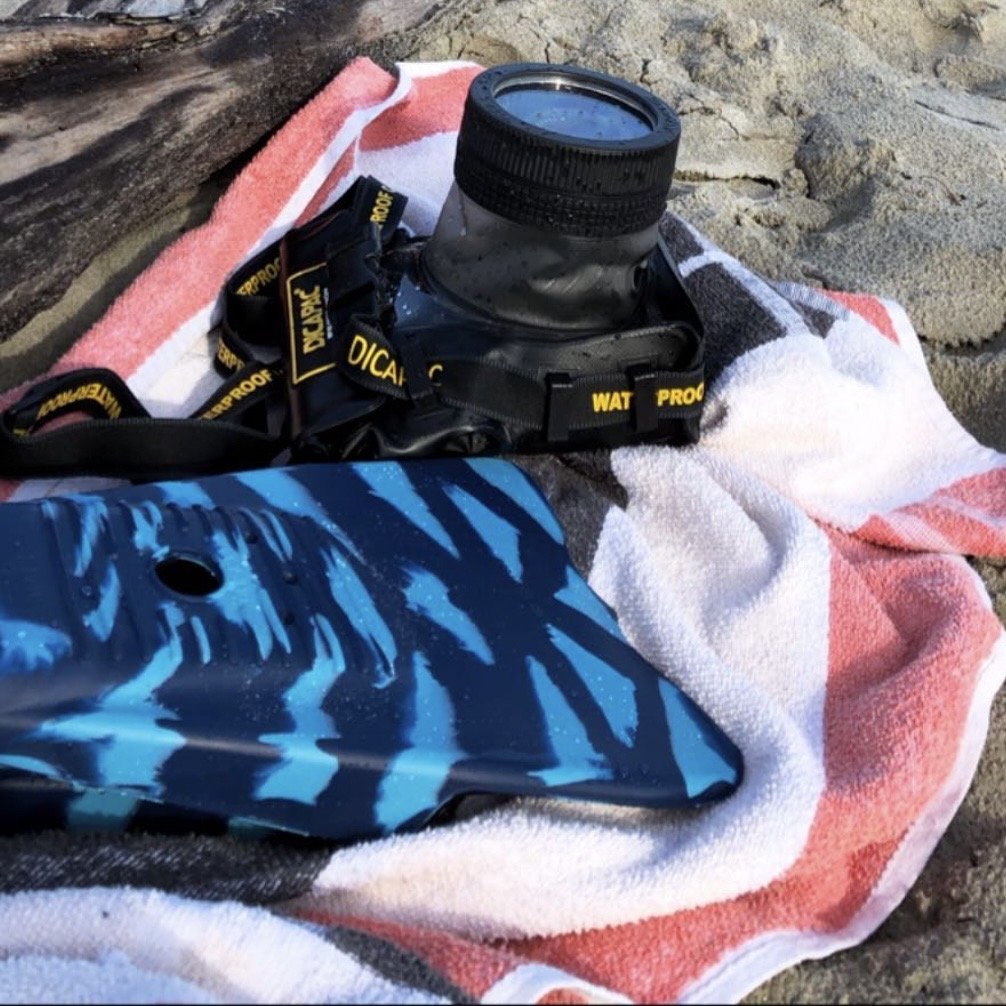
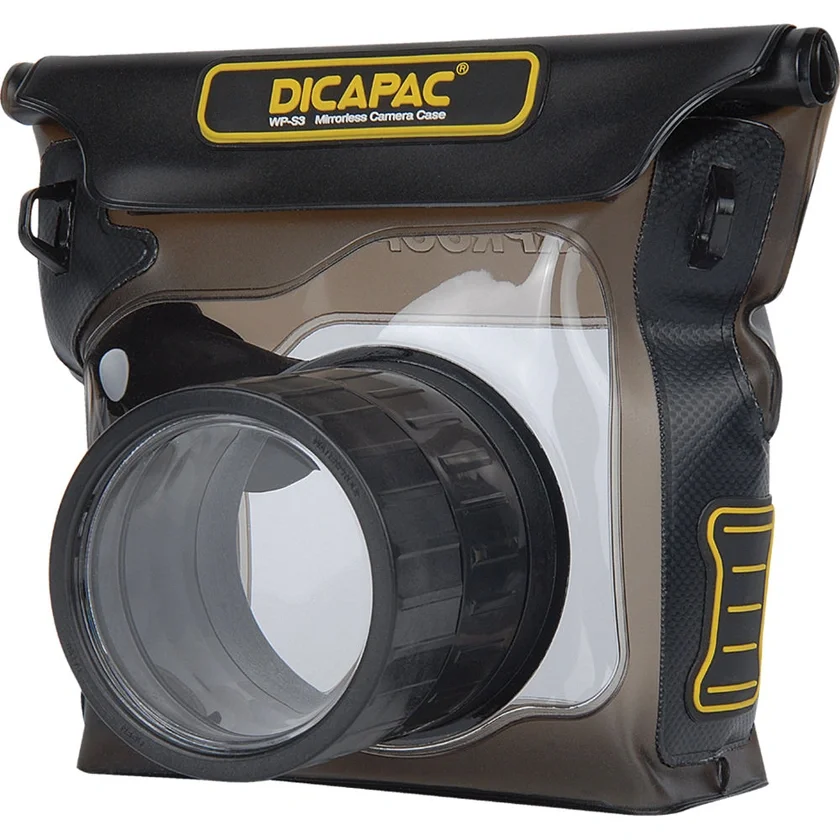
This was the setup I trusted when I first started experimenting with water photography. It worked briefly in calm conditions, but surf is a completely different environment, so I personally wouldn’t recommend this for someone starting out in surf photography.
Waterproof camera housings that are actually worth looking at
If you want to get a feel for being in the water before committing to a full setup, a phone housing is a good place to start because it’s simple, compatible with the camera you use on the daily (your phone) and it’s low investment.
A phone housing might only set you back a couple hundred dollars, while dedicated surf housings for mirrorless and DSLR systems can quickly move into the thousands.
I also love this option, because it means you can capture BTS or candid phone vids in the water later on which is great for content.
For mirrorless or DSLR setups, Seafrogs offer an accessible entry point into surf photography housings while still giving you real control over your camera in a session. Further down the track, Aquatech is where a lot of people land once they know they'll be spending consistent time in the surf.
The decision usually comes down to one thing: how often are you actually going to be in the water?
That matters more than having the most advanced setup from day one.
Ready to invest in an AquaTech housing? You can get 5% off AquaTech waterproof housings with code LOU5. Shop AquaTech camera housings →
Getting comfortable moving through the surf with a housing takes time too. They change the way you paddle, duck dive, and position yourself in the water.
I’ve written a more in-depth article about waterproof camera housings here: Best surf photography water housings for beginners to professionals.
What changes when you get in the water
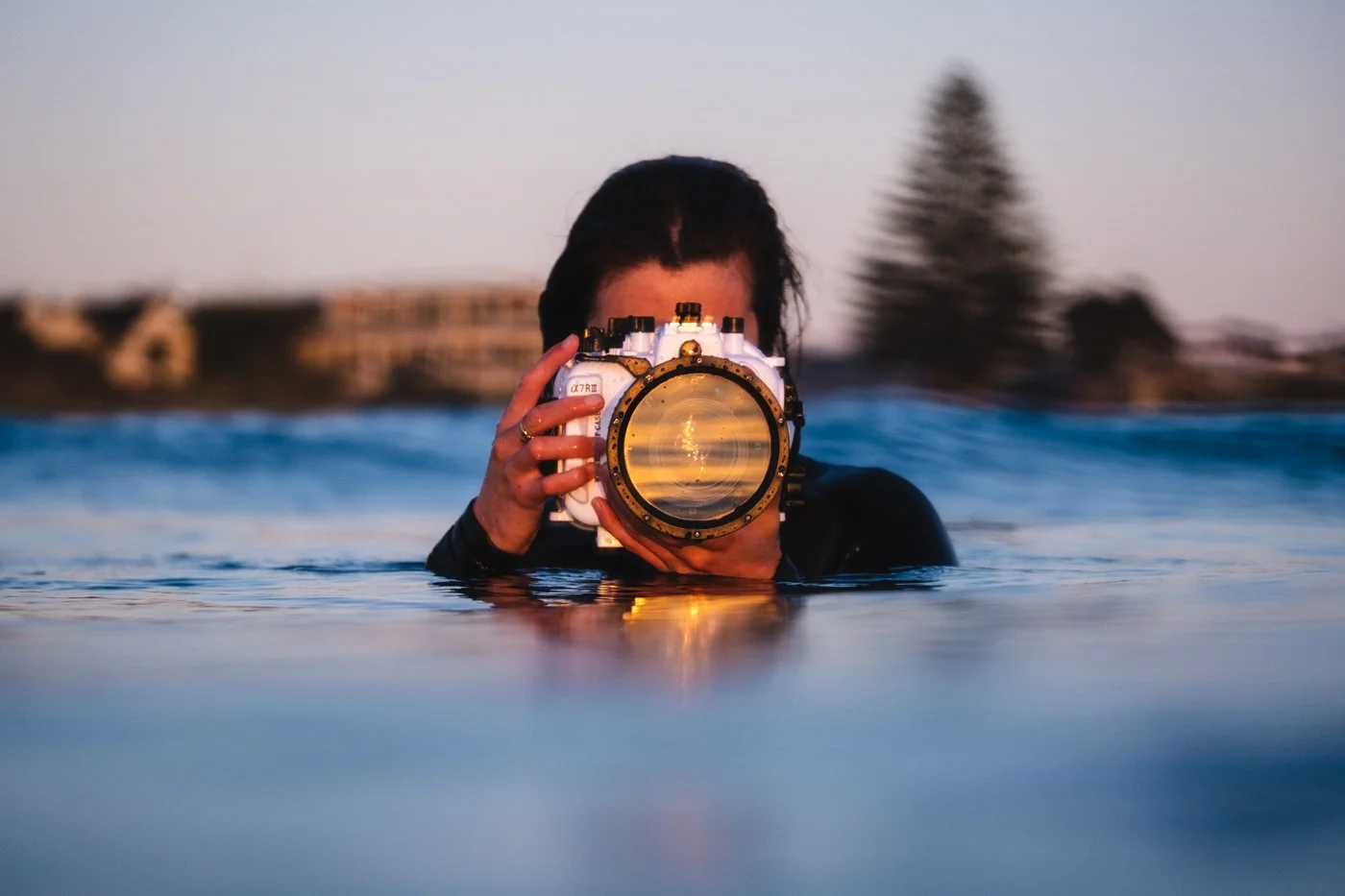
The ocean feels completely different once you’re inside it with a camera in your hands.
Everything becomes more immediate.
You're no longer predicting movement from a distance. You're inside it. The surface feels different up close. Light shifts faster than you expect. Reflections appear and disappear in seconds.
You stop waiting for things to happen and start placing yourself where they're about to happen.
Those shifting colours and reflections are also what inspired Oceania, my Lightroom preset collection for ocean, surf, underwater and coastal photography, built around the tones I’m naturally drawn to when I’m shooting in and around the water.
That awareness takes time to build. But it's honestly one of the most rewarding parts of the whole thing.
Before you get in
Once you have a housing, preparation is what keeps your sessions consistent.
Before I head out I have a solid ritual including:
always checking all seals and o-rings
adding anti-fog inserts
taking a test shot to confirm settings
doing a fresh-water submersion check for leaks
cleaning and prepping the lens port
It’s also important to stay aware of the surfers around you. A camera housing is hard equipment in a moving ocean, and part of shooting responsibly is making sure you’re not putting yourself or anyone else at risk.
It becomes routine quickly, and once it does, you're not thinking about your gear when you're in the water.
You're just shooting.
The one thing that matters more than equipment
A waterproof camera housing gives you access, but it doesn’t replace time in the ocean.
Being comfortable in the water changes the way you shoot. You stop thinking so hard about where you are and start noticing what the ocean is doing around you. You recognise how sets are building, where the energy is moving, when to stay put and when to reposition.
Even when I bring my camera into the water, I’m not constantly shooting. A lot of the time I’m just observing. Watching the way light moves across the surface or waiting for that feeling that makes me reach for the camera in the first place.
I think that’s such a huge part of water photography. Learning to pay attention before you press the shutter.
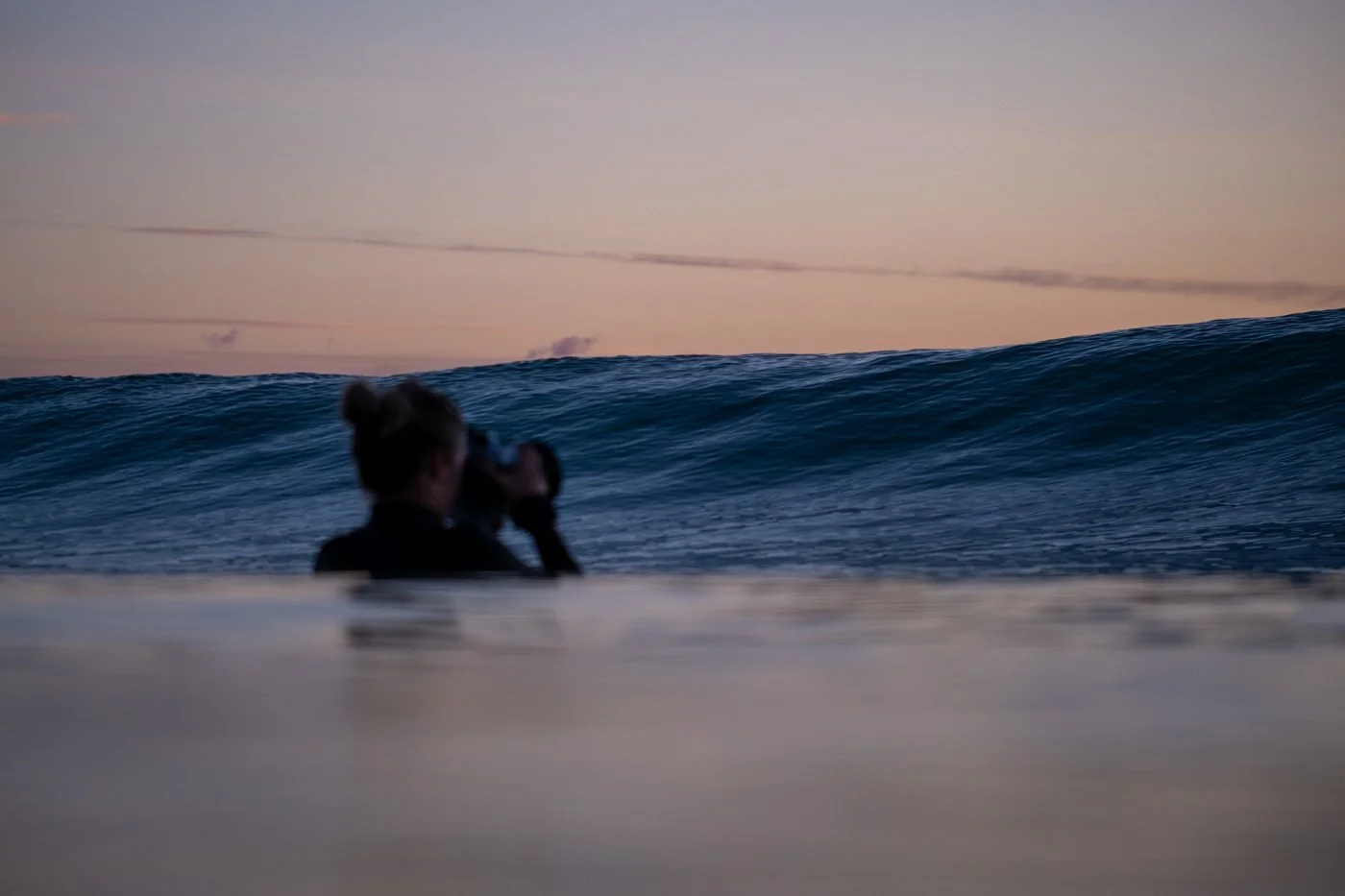
The longer you spend in the ocean, the more you start noticing before reacting.
That’s a wrap
So, do you need a waterproof camera housing for in-water surf photography?
Yes, if you want to safely take your camera into the ocean and shoot inside the lineup, a proper surf housing becomes essential.
But I honestly don’t think getting in the water is where surf photography starts. It starts sitting on the beach watching the way waves meet the earth. Learning how light moves across the surface at sunrise. Paying attention to where surfers position themselves and how a swell changes across a session.
That awareness is what shapes your photography most.
A waterproof camera housing simply gives you access to a perspective you already understand. And until you’re ready for that investment, there are still so many ways to start exploring surf and ocean photography. Shooting from shore with a long lens. Taking a GoPro into small waves. Using a phone housing to document little moments in the water.
You don’t need the perfect setup to begin noticing beautiful things.
Until next time,
L ✌️
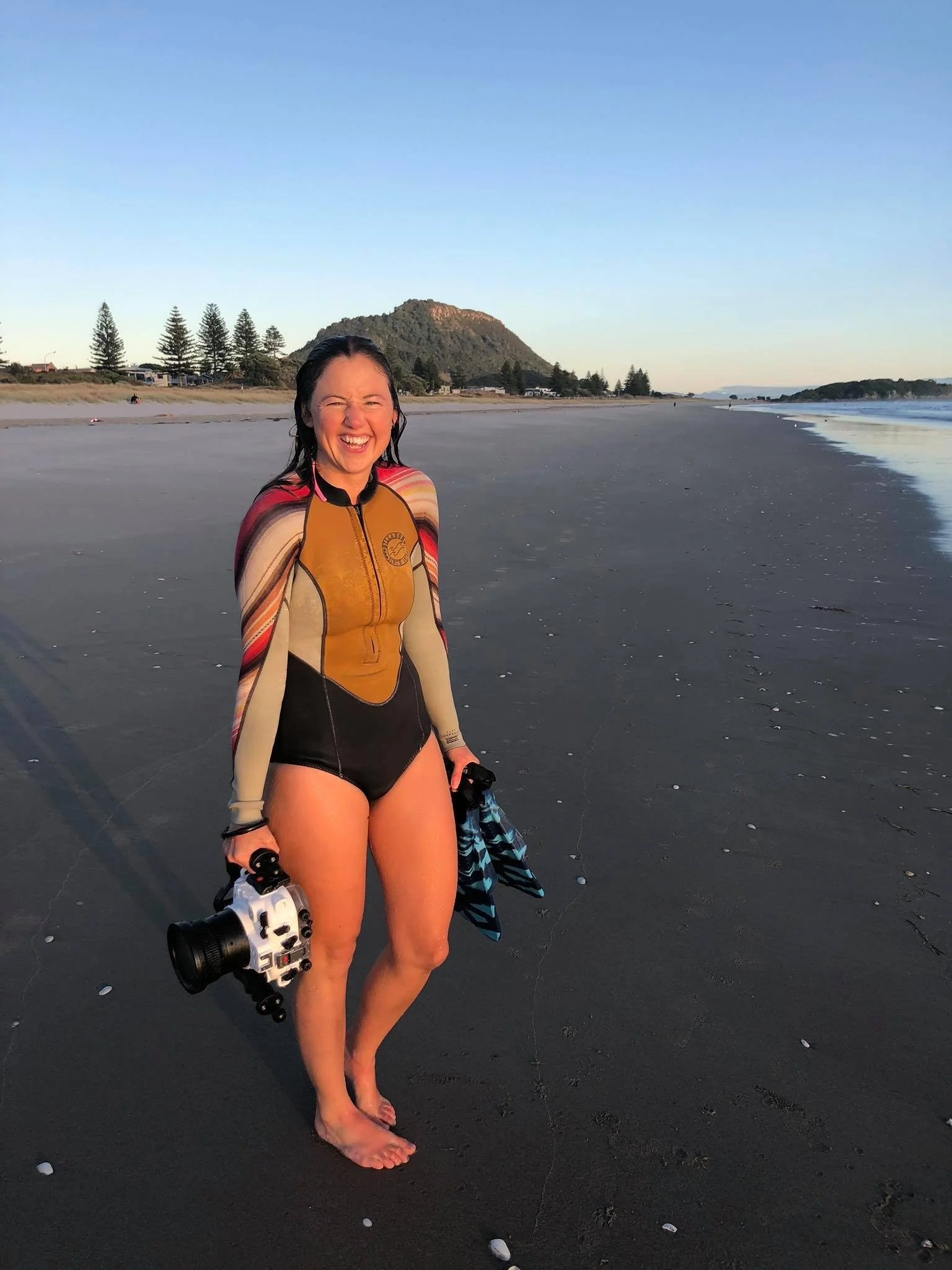
Still shooting from shore, or starting to feel pulled toward getting in the water?
I’d love to know where you’re currently at in your surf photography journey. Send me a message or tag me in your water shots on Instagram.
FAQs about getting a camera in the water
Do you need a waterproof camera housing for water photography?
Only if you're planning to take your camera into the water. Waves, swells, surf photography from the shore? You don't need one. It's only when you want to get in the ocean with your camera that a waterproof camera housing becomes essential.
Can I just use a waterproof camera instead?
Yes, and honestly it's not a bad way to get comfortable before committing to a full housing setup. Lower stakes, simpler to manage, good for building your water confidence before you add more gear into the mix.
There are a range of waterproof disposable film cameras available on the market, or if you’re into your vintage cameras, the Nikonos range are so fun (if you can get your hands on one!).
Are cheap waterproof housings safe?
They can work fine in calm, flat water. But surf is a different environment entirely (the impact, the pressure, the unpredictability) and purpose-built housings are just more reliable.
I learned this the hard way, as you now know.
When should I think about upgrading to a more serious housing?
When you're consistently getting in the water and you're starting to feel limited by what you've got. Better durability, better ergonomics, full control over your camera settings mid-session.
You'll know when you're ready.
Is water photography dangerous?
It can be, depending on conditions. Knowing the ocean and knowing your own limits matters a lot more than any piece of gear you own.
What lens works best for in-water surf photography?
I personally love prime lenses in the water. There’s something about committing to a single focal length that makes you more intentional with positioning and composition.
But if you’re just starting out, something versatile like a 16-55mm can actually be a really good place to begin. It gives you room to experiment and work out what kind of images you naturally gravitate toward before investing in a more specific setup.
A lot of finding your style in water photography comes down to time in the ocean and learning what perspective feels most natural to you.
I’ve written a more in-depth guide on my favourite lenses for surf and water photography here if you want to dive deeper into focal lengths and setups.
How do you stop your housing from fogging up?
Anti-fog inserts are your best friend. Keep everything dry before you seal it, and try to avoid big temperature changes between where you've stored your gear and where you're shooting.
I talk more about these in my surf photography gear blog.