How to create mood boards for brand photography that align the vision
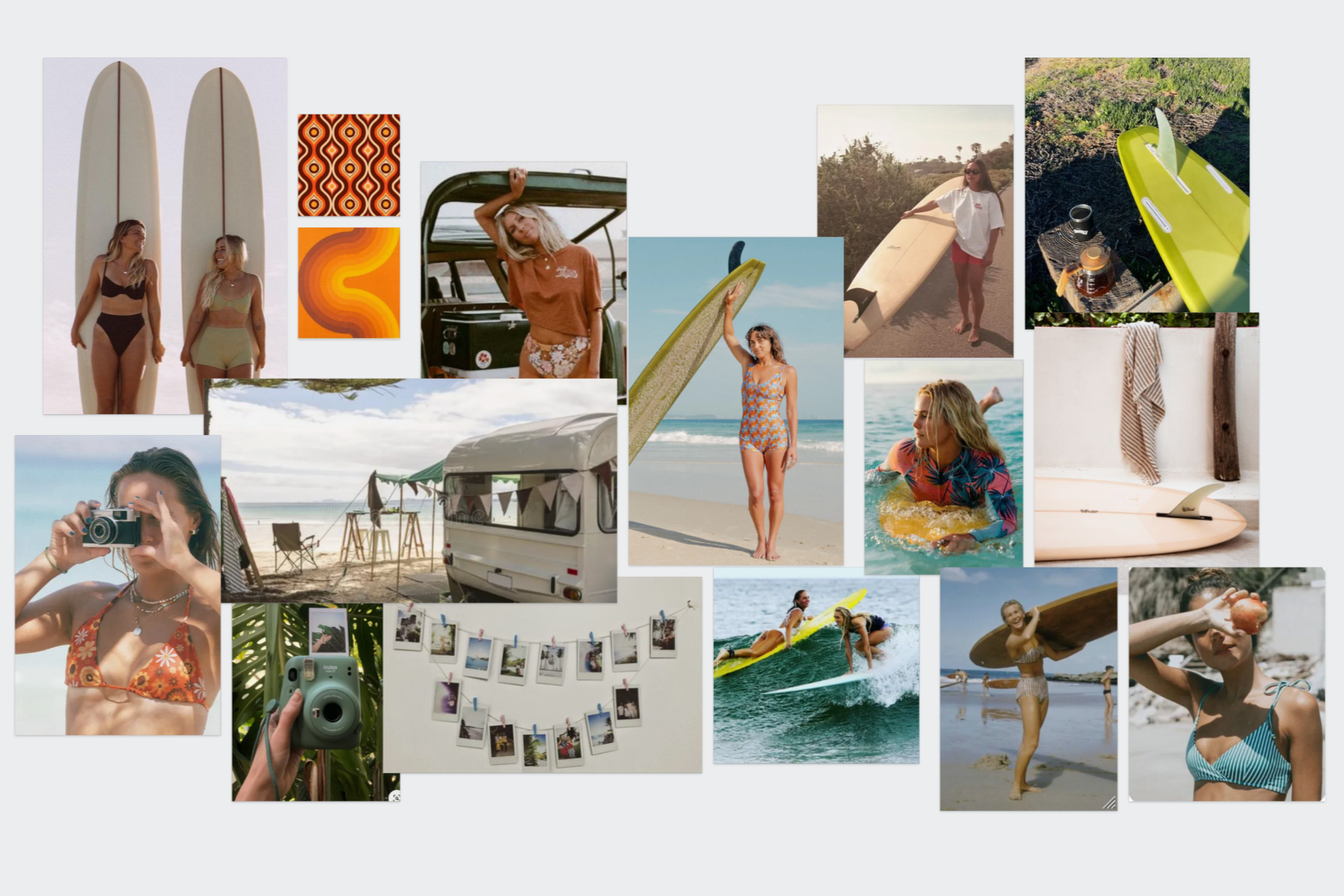
Before I even touch a camera for a brand photoshoot, you’ll find me sitting with a matcha and a whiteboard in Milanote, pulling together photo inspiration, light references, and colours that feel like the story we’re about to tell. Spoiler alert, that’s called a mood board. And that relaxed planning moment is where a brand shoot really begins… not to mention a part of the process I absolutely froth for!
Sometimes brands begin with an existing image that already fits their story. In this Deep Creek Brewing collaboration, a licensed surf photograph later became the hero artwork for their West Coast IPA can.
Mood boarding has been part of my creative process for years. During my textile design degree days, it was something we were formally taught and assessed on, not just something we picked up along the way. Learning how to translate ideas into clear visual direction at that level still shapes how I approach brand shoots today, and it’s been a big part of the collaborations and client work I’ve been trusted with since. I still can’t quite believe I did a degree where I had actual classes in mood boarding! It sounds kind of funny to say out loud haha, but it probably explains why this part of the process still feels like second nature to me.
In this blog post, I’ll guide you through why and how I build mood boards that not only excite clients but also keep everyone in the team aligned and inspired throughout the brand shoot.
Jump ahead if you’re planning your next brand photoshoot:
What is a mood board?
A mood board is where the client’s vision meets your creativity. It’s not just a Pinterest collage of pretty photos. It’s the tool that sets the tone for the entire shoot, from styling and location to props and colour palette.
I’ve worked both client-side as a brand and content manager during my 10+ year career in marketing and now on the contractor side as a photographer, so I know first-hand the challenges on both sides. Clients want to feel confident that you understand their brand. Photographers want to bring their creative ideas to life.
Mood boards for brand photography are the bridge between those two perspectives. They’re also the first step in my photography pre-production workflow I use for every brand shoot.
Why mood boards matter for brand photography
A mood board shows the story you’re about to tell before the camera even comes out. It helps everyone involved understand whether the direction fits the brand’s aesthetic, what kind of light and colour palette we’re working toward, and how styling should feel on the day. Instead of trying to explain an idea in words, you’re giving people something they can see and respond to straight away.
Mood boards for brand photography turn abstract ideas into clear visual direction, which makes the whole shoot feel more grounded from the beginning.
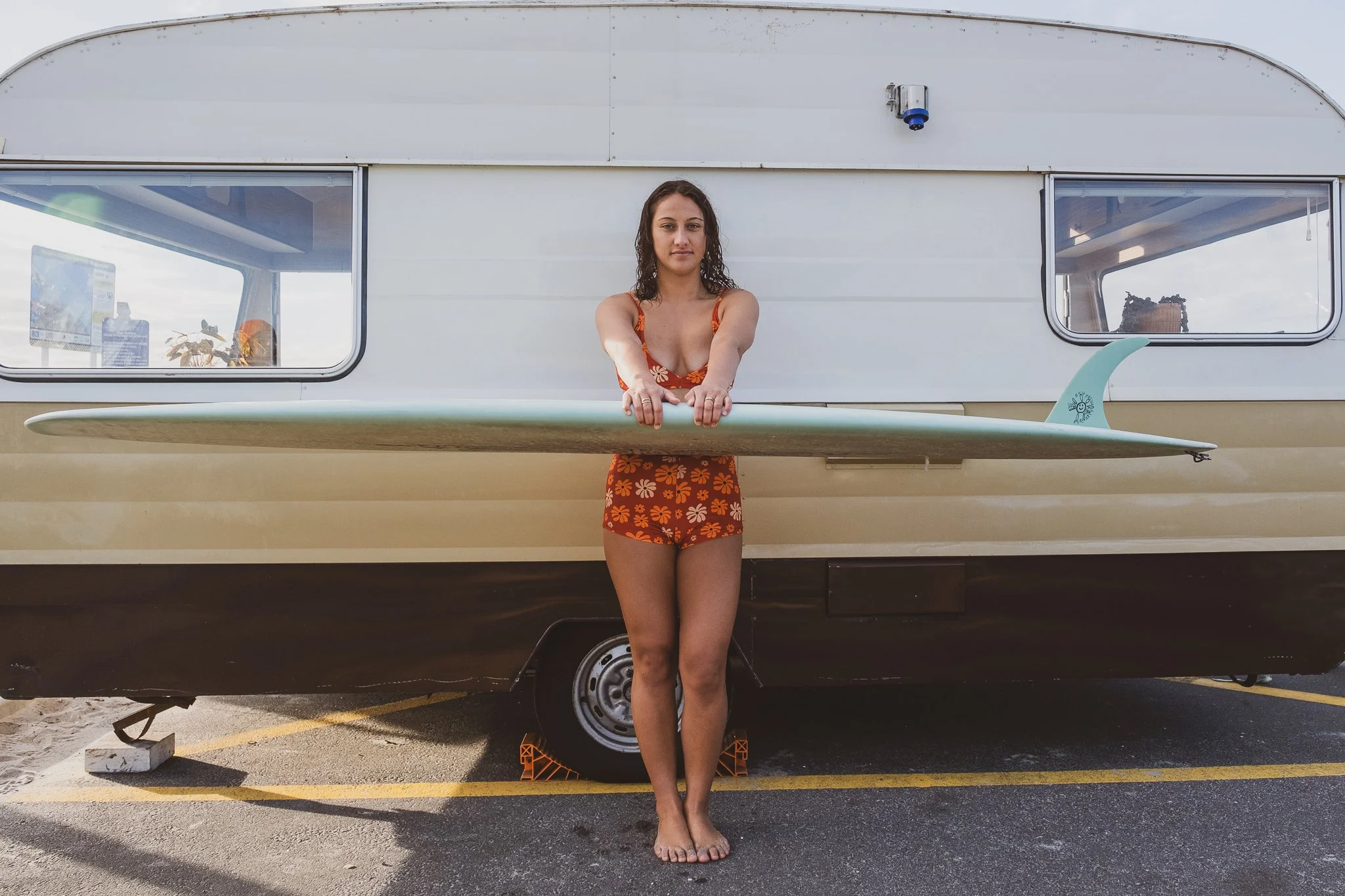
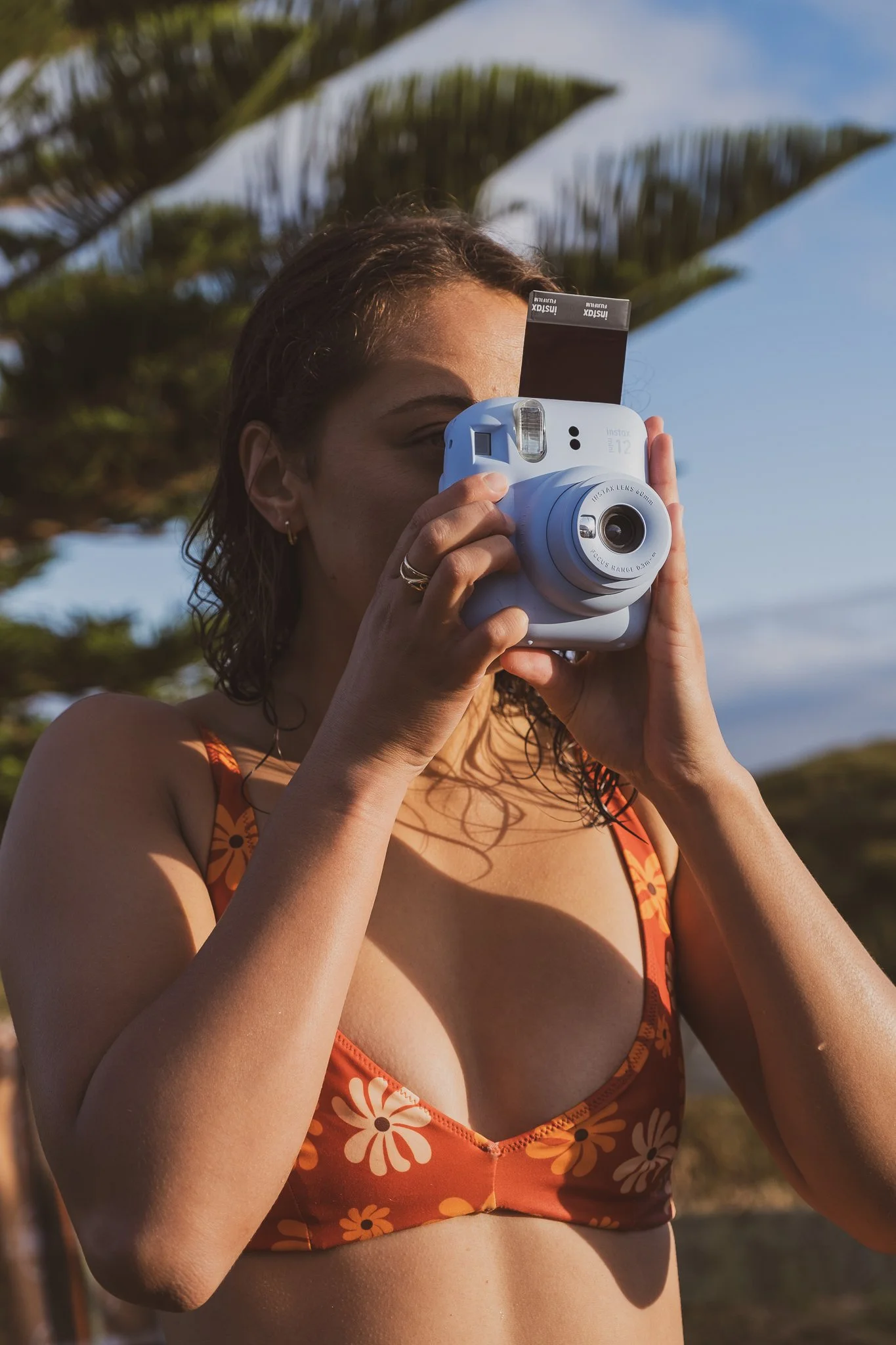
When I created the Nostalgic Surf mood board for my Fujifilm masterclass, I pulled imagery that blended retro surf culture with clean, modern lifestyle cues. The models, stylists, and photographers instantly understood the vibe while still leaving space for interpretation once we got to the beach.
Step 1: Start with the brand’s DNA (and shoot concept)
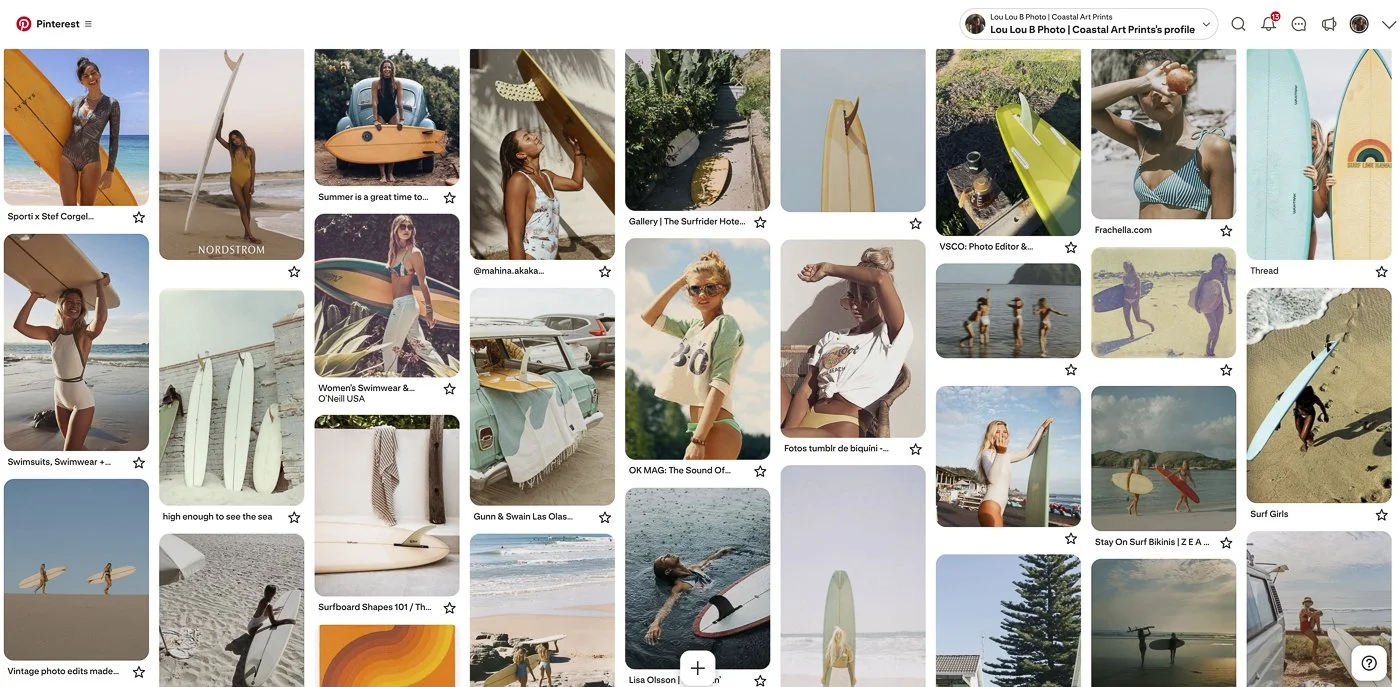
The research phase involves collecting as many images as I can which feel aligned with the brand and photoshoot concept.
Before I collect a single image, I always come back to what sits at the heart of the brand. Are they minimal and modern, or playful and bold? Do they already have a visual style guide to work from, or are we shaping something new together? And most importantly, what should their audience feel when they see these photos?
Once I have a good feeling for the brand and an understanding of the concept or story we want to tell, I’ll start the research phase, usually in Pinterest, where I collect every image I come across that feels aligned. Pinterest is a goldmine for reference visuals, but also never-ending at times. So for this, I usually give myself a time limit of about 30 minutes. That’s enough time to gather a broad selection of images before moving on to the next step: curation.
Starting with the brand’s DNA and a broad image bank ensures your mood board supports the wider brand photography strategy rather than just collecting inspiration that looks good on its own.
Step 2: Curate, not collage
The biggest mistake I see is dumping 50 random images into a Pinterest board and calling it a mood board. While this is usually where I start gathering any image that feels aligned with the shoot concept and brand, I’d never simply share that Pinterest board and call it a mood board.
A strong board is curated. It starts shaping the story. And behind every image is intention.
I usually choose around 10 to 12 images. Enough to give direction, but not so many that it feels overwhelming. I look for consistency in colour, tone, and story so the client can see the thread tying it all together.
If you’re learning how to create a mood board for a photoshoot, this is the step that makes the biggest difference between inspiration and direction.
Step 3: Make it collaborative
A mood board isn’t just for you. It’s a communication tool you can share with clients, agencies, or partners to get everyone on the same page.
How much you involve others depends on the scale of the shoot.
For a recent bed linen campaign, I worked with two agencies. The brand agency already had a very strong direction, so my role was to align to their vision and deliver within that framework.
For most shoots though I’ll create the mood board myself. It’s often the very thing that sells the vision.
When I pitched Nostalgic Surf to Inner Realm, the first thing they asked me for was a mood board. They didn’t even consider becoming a partner until they saw it. The mood board sold the vision, and once they saw the direction clearly laid out, they were on board straight away.
Client mood boards in photography workflows create early alignment and reduce revisions later in the process.
That’s the power of a mood board. It gets buy-in before you’ve even started shooting.
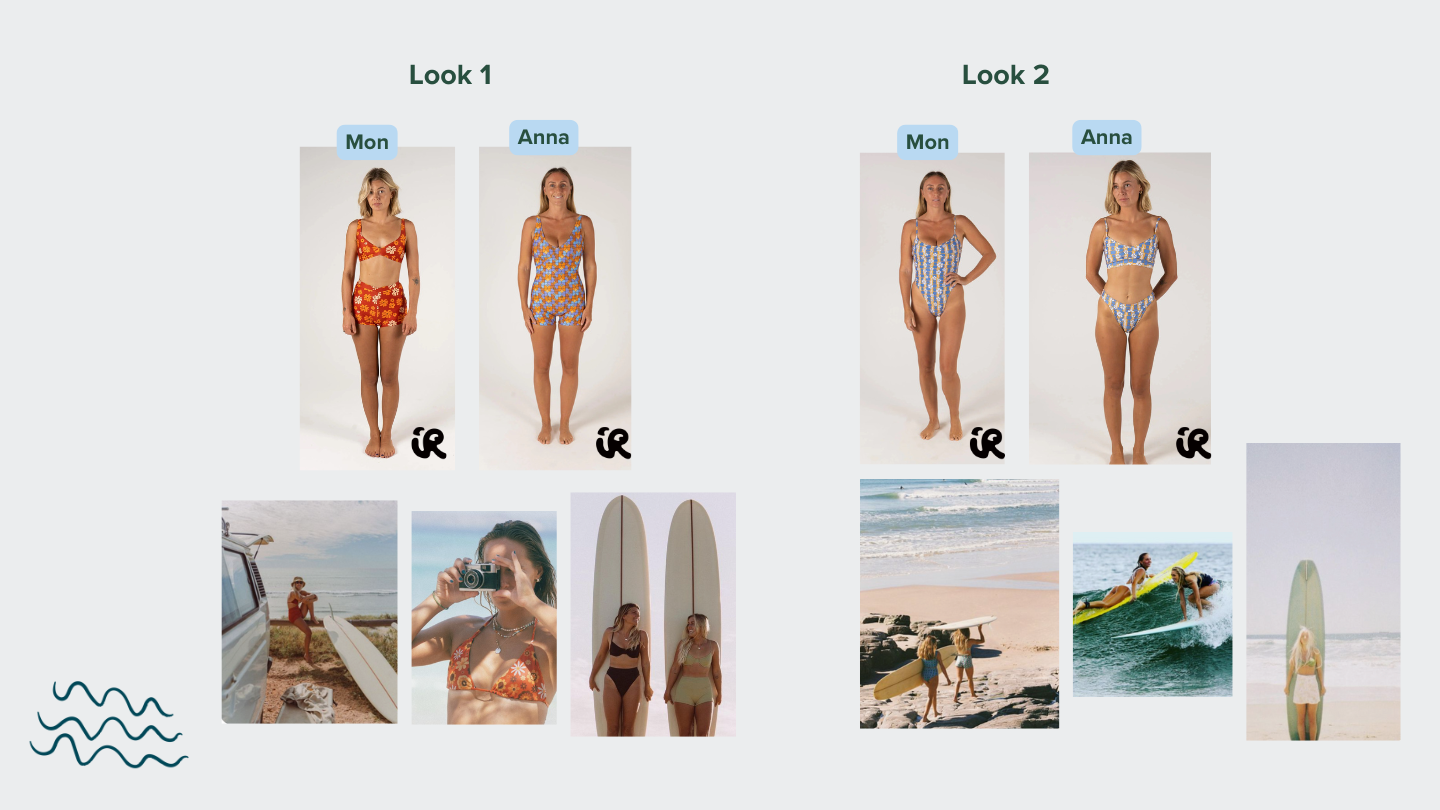
After I’d curated the mood board, I used images from it to help plan the looks our talent would be styled in (below).
Step 4: Use the right tools for photography mood boards
You don’t need anything complicated. I often use a simple mix of tools depending on the shoot:
Pinterest for the research phase, to gather early inspiration
Canva for clean, branded boards clients can review easily
Milanote when I want a flexible layout with notes and links in one place
It’s not about the platform. It’s about how you curate and present direction clearly.
When I was studying textile design at university, mood boards were super tactile. Everything was printed or photocopied and arranged on a piece of foamboard, usually pinned so it could evolve or be easily replaced for a new project. Now I apply that same concept to digital mood boarding for brand photography. It’s quicker, cheaper, and much easier to share with clients.
If you’re curious about the tools I use across my workflow, I’ve shared my 8 free photography workflow tools in a dedicated post. It’s a great place to dive deeper into the systems that keep my shoots efficient and creative.
Step 5: Keep mood boards practical, not just pretty
Mood boards should inspire, but they also need to be useful.
When I’m building a board, I’m usually thinking about the kind of light we’re aiming for, whether that’s golden hour softness, flat natural light, or something moodier with deeper shadows. I’ll often include notes around wardrobe colours, textures, and props as well, along with a few key emotion words that help anchor the overall feeling of the shoot, things like nostalgic, calm, or energetic.
I’ll usually have the mood board printed or saved on my phone on the day so I can keep coming back to it while we’re shooting. It helps me stay visually aligned with the original direction rather than drifting too far from the concept once we’re on location.
Adding these details turns the board into a working document rather than just a collection of references. A practical brand photography mood board becomes part of your pre-production process instead of something separate from it.
From there, I’ll usually turn the mood board into a simple shot list so the visual direction translates clearly into what we’re actually capturing on the day. I’ve shared exactly how I do that in my brand shoot shot list guide if you’d like to see the next step in the workflow.
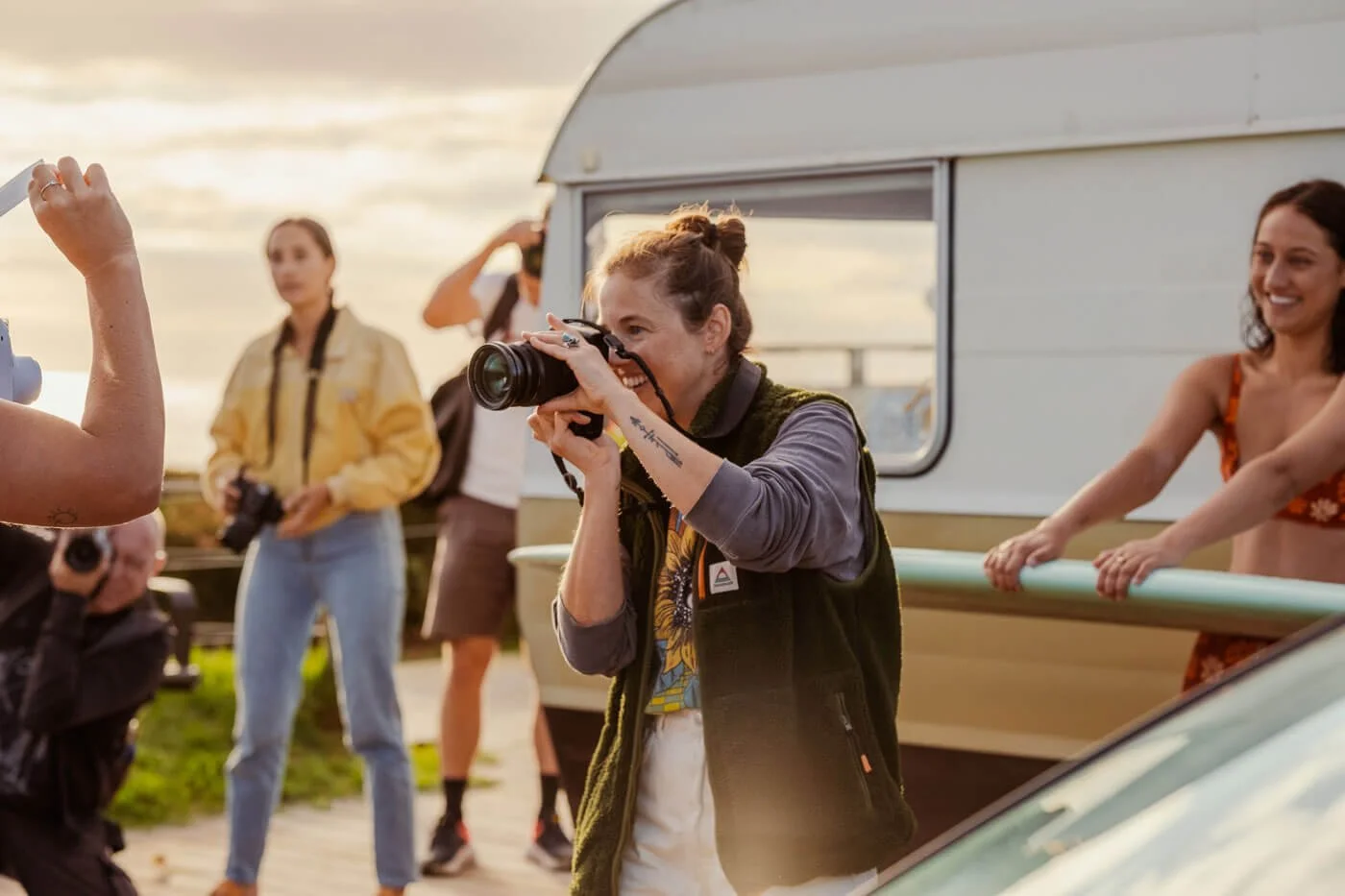
A mood board is so valuable as a constant visual reference while on location. My phone is in my pocket, ready for quick reference!
What to include in a photography mood board before a brand shoot
A strong mood board for brand photography usually includes:
Colour palette references
Lighting direction
Wardrobe inspiration
Props and textures
Composition examples
Emotional tone words
Location references
Together, these elements turn your mood board into something you actually use while planning the shoot, not something that just sits there looking nice.
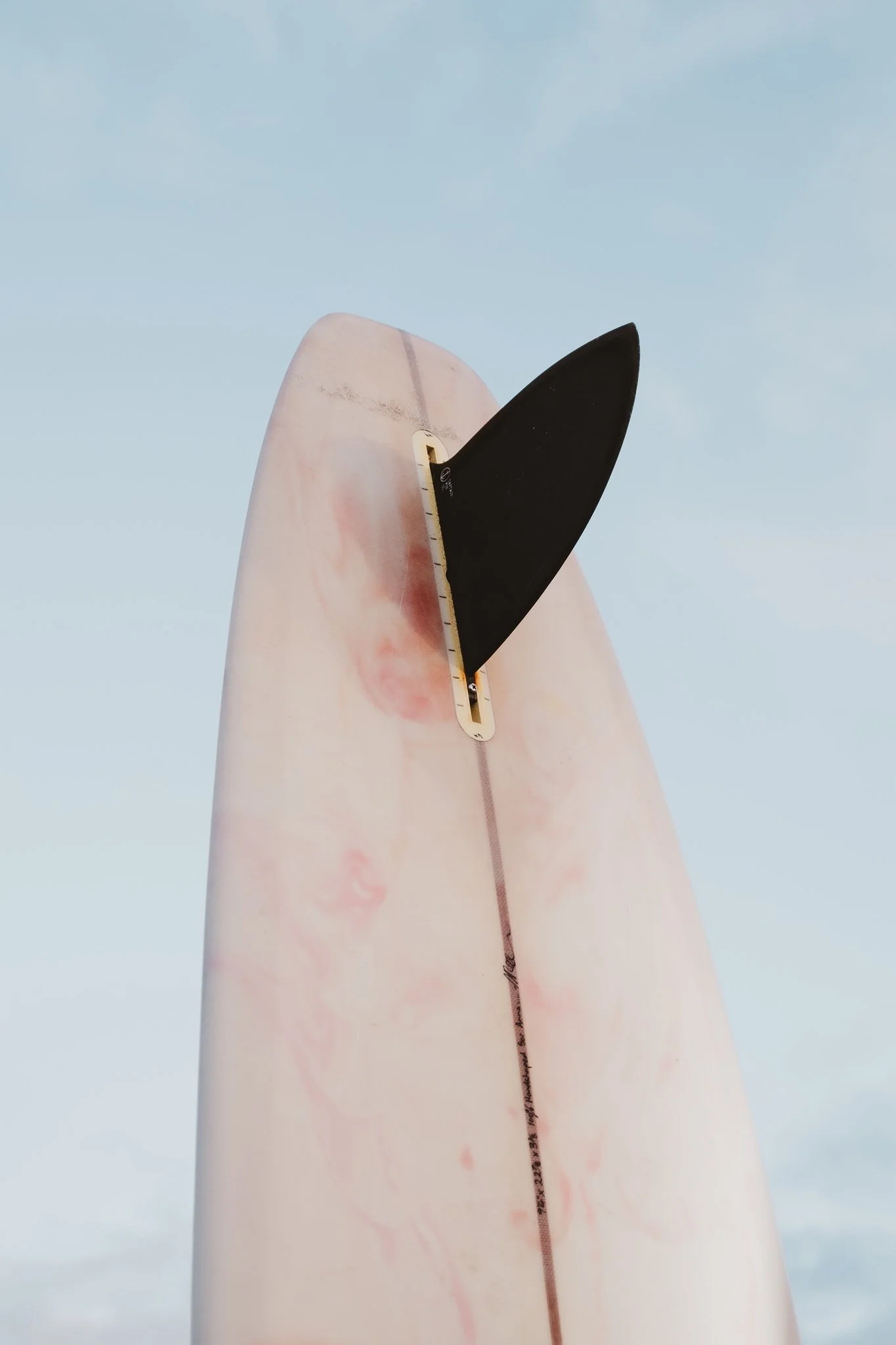
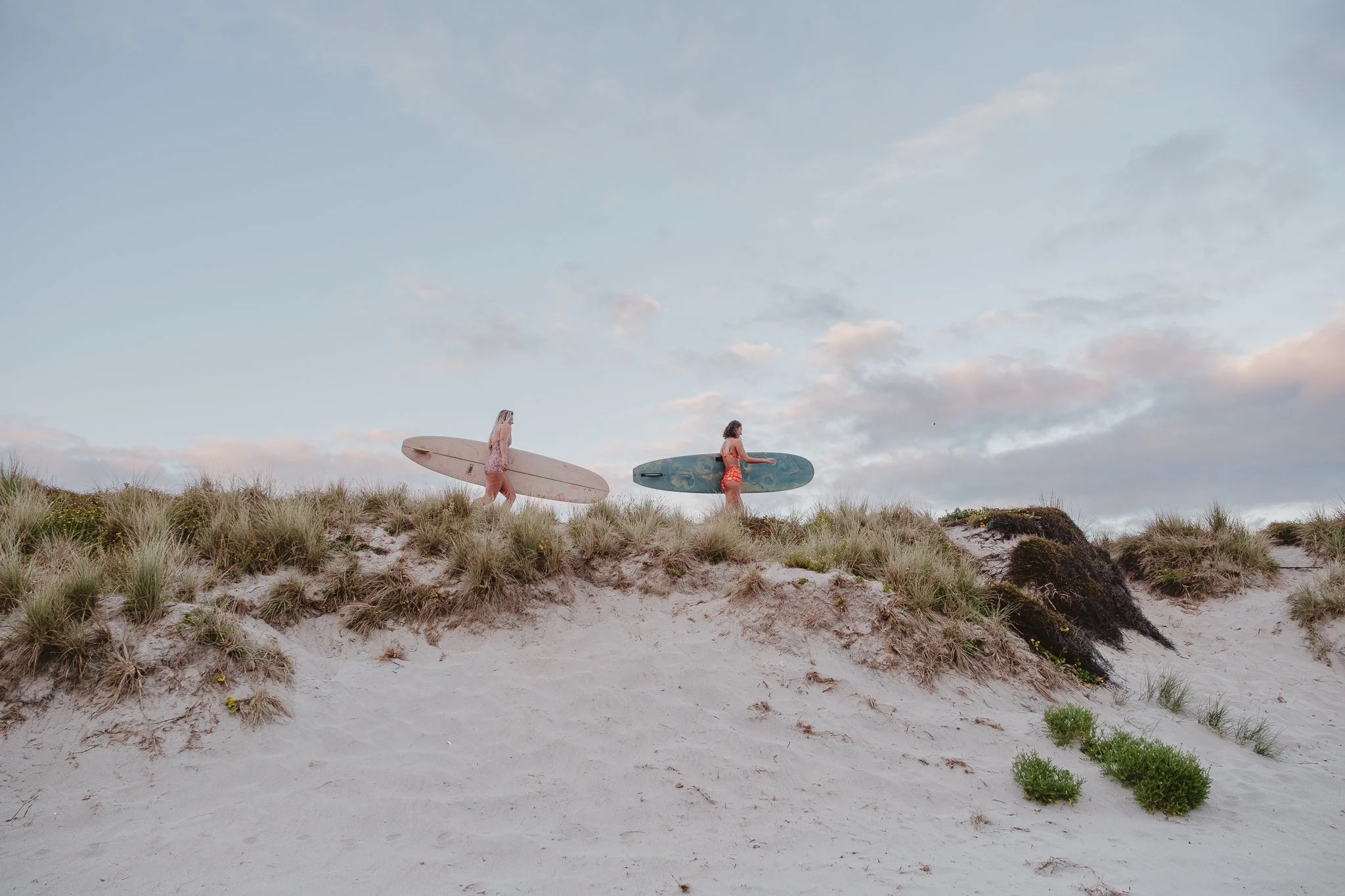
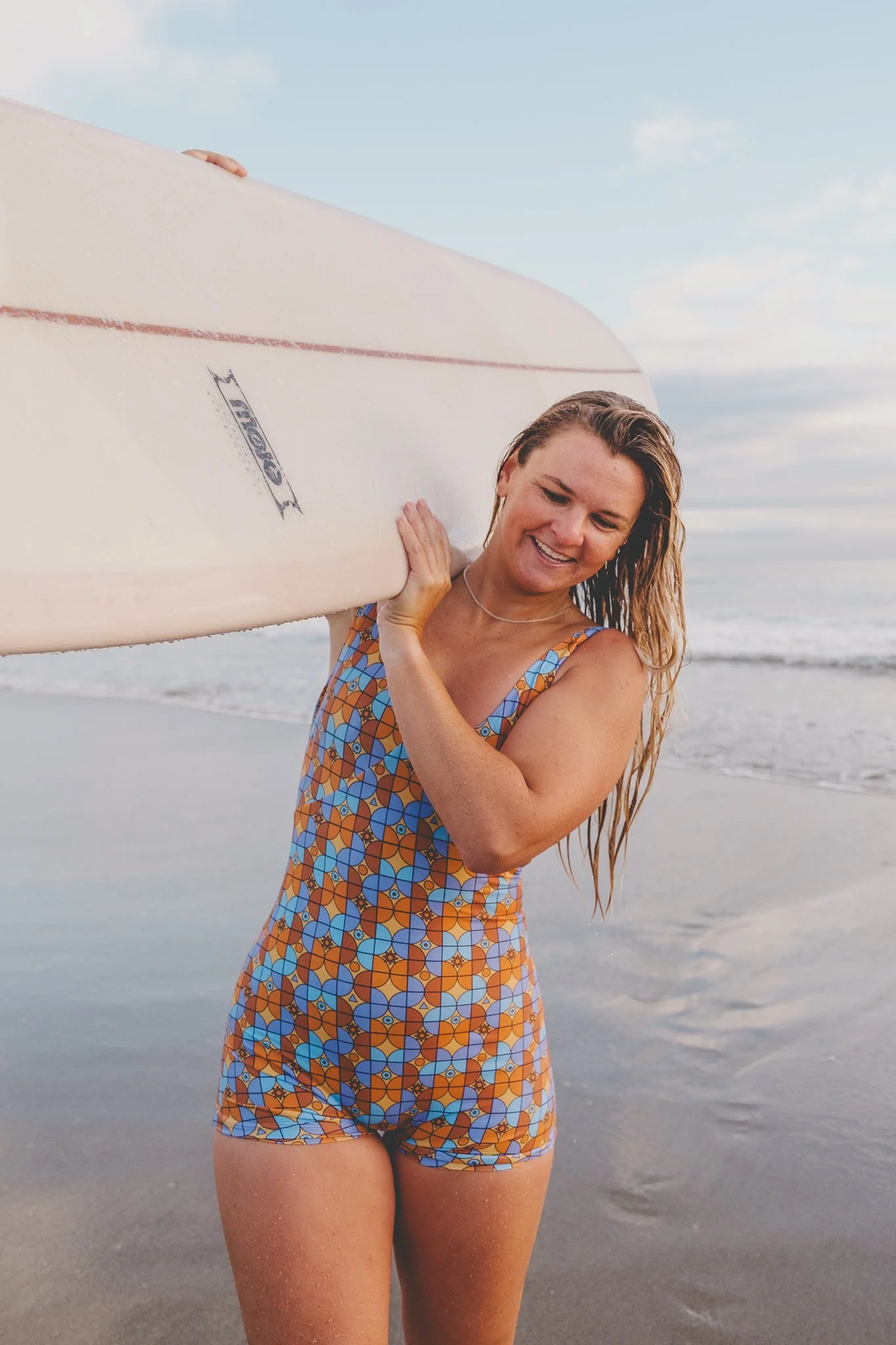
For Nostalgic Surf, I mixed vintage surf magazines and film photography to bring in that retro energy, then layered in modern coastal lifestyle imagery to keep the direction feeling fresh. I also kept the styling notes fairly neutral so outfits and props would tie everything together naturally once we were shooting on location.
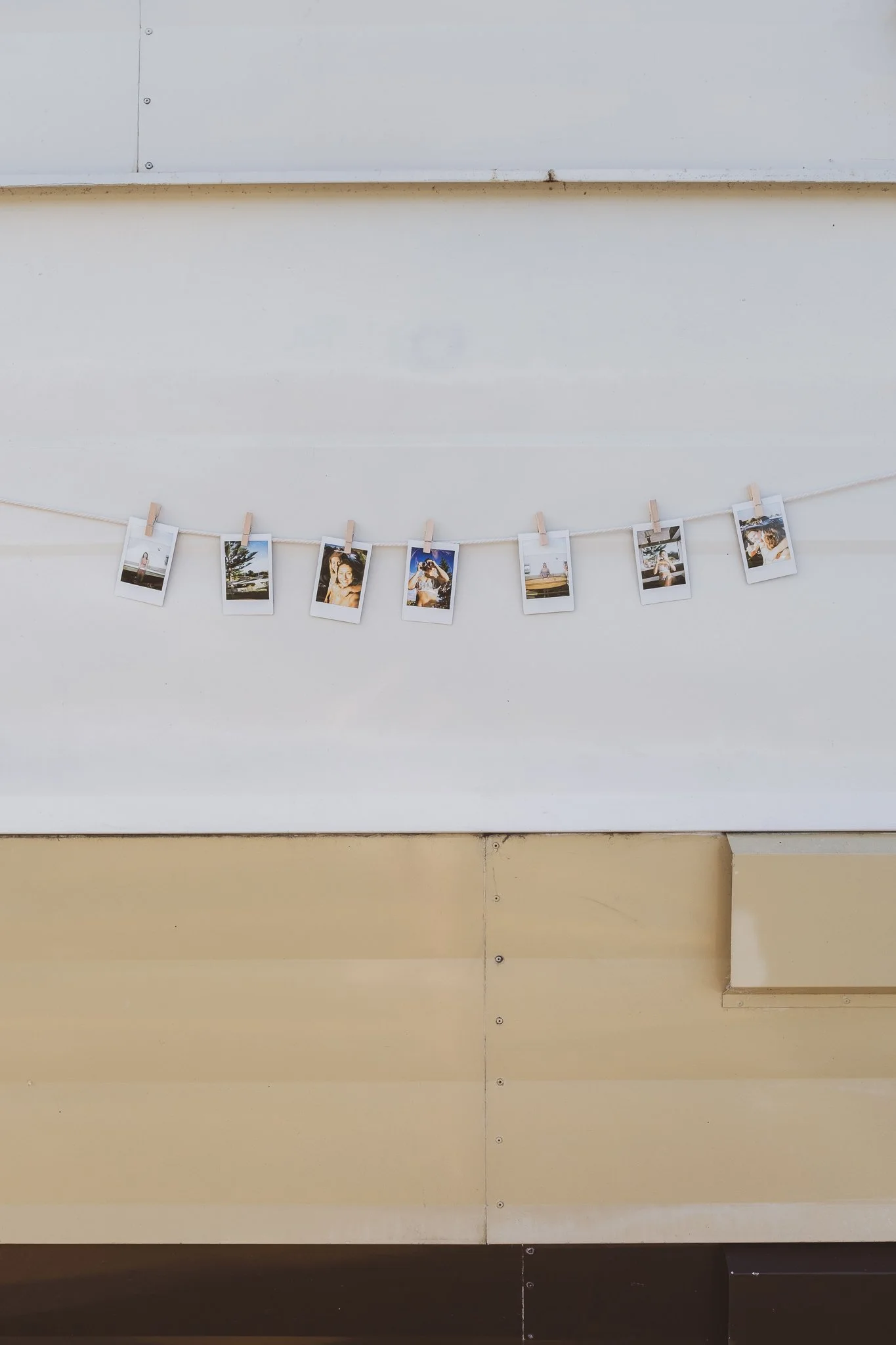
This is a good example of how photography mood board examples can balance nostalgia with modern brand direction. The result was a cohesive aesthetic that gave us all direction while still leaving space for creativity when we hit the beach.
Here’s how that mood board translated once we got to the beach
That’s a wrap
Mood boards are more than inspiration. They’re where a brand shoot starts to come together long before the camera comes out. And when your mood board is clear, the whole shoot flows differently.
If you’re building mood boards for brand photography regularly, refining this step alone can improve shoot efficiency and client confidence.
L ✌️
Frequently asked questions about mood boards for brand photography
What is a mood board in brand photography?
A mood board in brand photography is a visual planning tool that defines styling, lighting, colour palette, and emotional tone before a shoot begins.
How many images should a photography mood board include?
Most effective mood boards include around 10 to 12 images so the direction feels clear without overwhelming collaborators.
Do photographers create mood boards or clients?
Usually photographers create the mood board, but clients or agencies often contribute references to align brand direction early.
What should be included in a brand shoot mood board?
Lighting references, wardrobe inspiration, props, textures, colour palette, composition examples, and emotional tone words.
Which tools are best for creating photography mood boards?
Pinterest works well for gathering inspiration, Canva for presentation boards, and Milanote for collaborative planning.
When should you send a mood board before a photoshoot?
Ideally during early pre-production so clients and collaborators can confirm direction before locations and styling are locked in.